
Turns Out We Don't Like Actual Asian Food as Much as We Thought
When we lived in America, our favorite cuisines were all Asian. But after living in Asia, our opinion is more mixed.

For the audio version of this article, read by the author, go here.
Before Brent and I became digital nomads, we lived in Seattle and ate a lot of Asian food: dumplings, sushi, pho, and fresh spring rolls, as well as stir-fries, curries, noodles, and more.
We loved it all. These were easily our favorite cuisines.

We left Seattle almost nine years ago to become digital nomads and have now lived in Thailand, Vietnam, Malaysia, China and Hong Kong, Taiwan, South Korea, Cambodia, and Japan — a grand total of almost two years in this part of the world.
Naturally, we were very excited to live in the places where our favorite foods come from.
But there’s a twist we didn’t see coming: we haven’t loved the food as much as we thought we would.
As embarrassing as this is to admit, we sometimes even prefer the “Americanized” versions of some of these cuisines.
Here’s why:
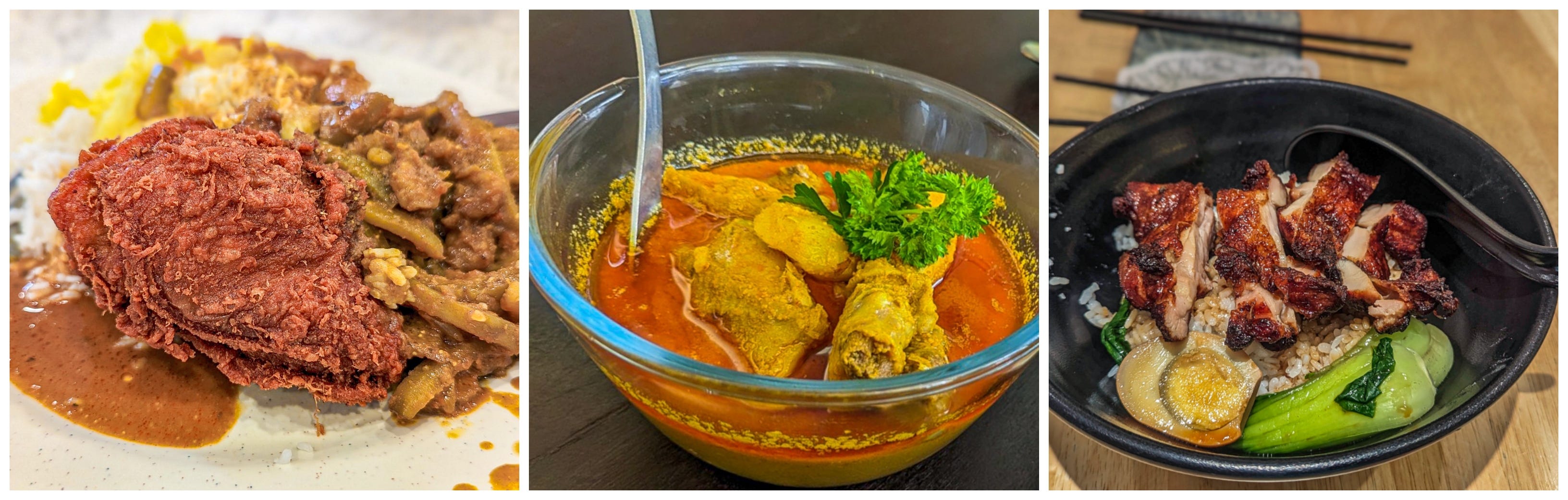
The food is often rich and greasy.
Nasi lemak is frequently referred to as Malaysia’s “national dish.” It’s rice cooked in coconut milk and served with sambal, an oily chili paste. It often comes with fried chicken or fried fish.
Meanwhile, Char kway teow is a popular street dish of noodles cooked in oil and served with pork sausage.
Then there is beef rendang, which is simmered in coconut milk, as well as laksa, a coconut milk-based soup.
What do all these dishes have in common?
They are incredibly rich and heavy, relying on coconut milk, palm oil, and fried foods, and often using the fattiest cuts of meat, such as pork belly, beef ribs, and chicken thighs with the skin still on.
My arteries are clogging just writing this.
In Japan, healthy food is fairly common. There’s sushi, for example, and two extremely popular snacks: baked sweet potatoes and onigiri, or seaweed-wrapped rice.
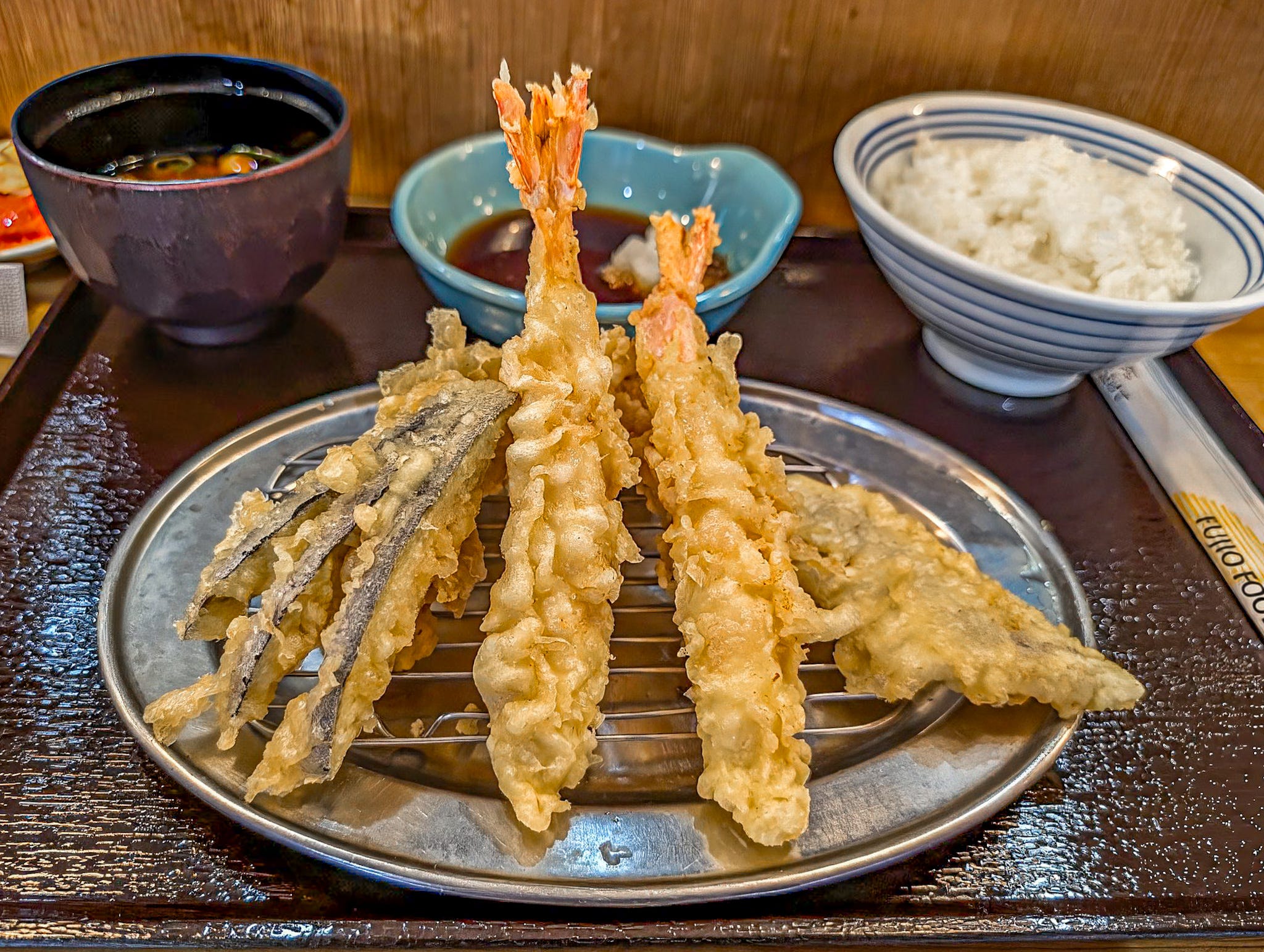
But Japan loves its fried food too. For instance, most sushi restaurants also sell Japan’s second most famous dish: tempura. After Brent and I ate the meal below, we looked at each other and said, “That was good, but one tempura meal per visit to Japan may be enough.”
Elsewhere in Japan, you’ll also find karaage, which is fried chicken. And tonkatsu, which is breaded and deep-fried pork. And korokke, which is a deep-fried croquette. And kushikatsu, a variety of skewered, deep-fried foods including chicken, pork, and seafood.
Most of these dishes are admittedly delicious, but they’re anything but healthy.
Other Asian countries also have plenty of rich, heavy foods.
South Korea is famous for its fried chicken and kimchi fried rice. China uses beef tallow to make the famous Sichuan Hot Pot — and cooks almost everything else in lard. And most Thai curries are made with coconut milk.
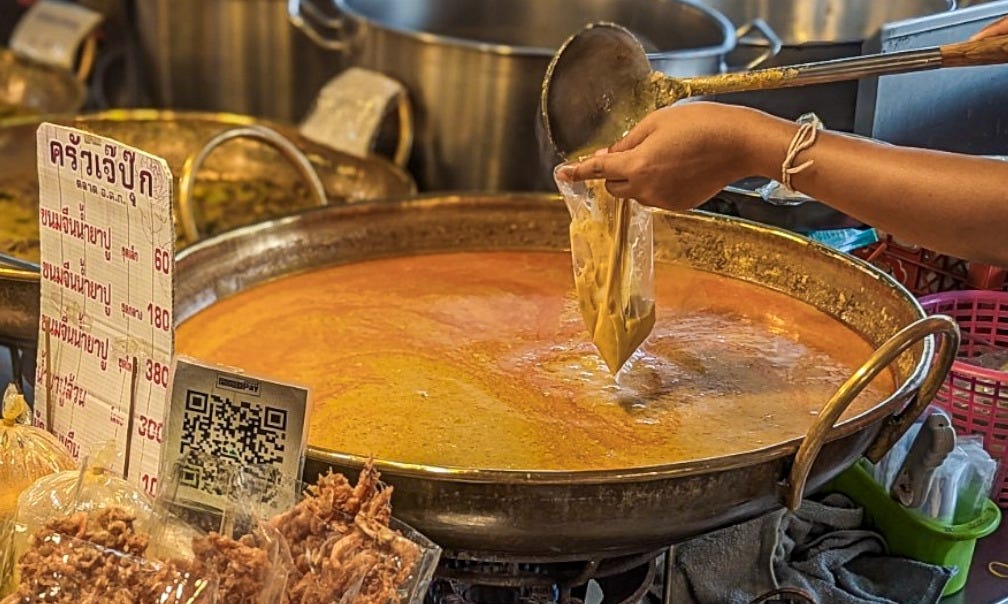
We like tempura, fried chicken, and curries — but a little bit goes a very long way.
How is it different in America?
You can obviously find rich, heavy, or fried Asian entrees in America. But Seattle is pretty health-conscious, and frankly, it was always easier than in Asia to find healthier options.
Asian cooking involves way more meat than we thought, especially pork.
First, a disclaimer: Asian cooking in restaurants is somewhat different than home-cooking. A chef is cooking to impress, and a meal out is often a “special occasion,” so it’s more likely to be richer and include meat.
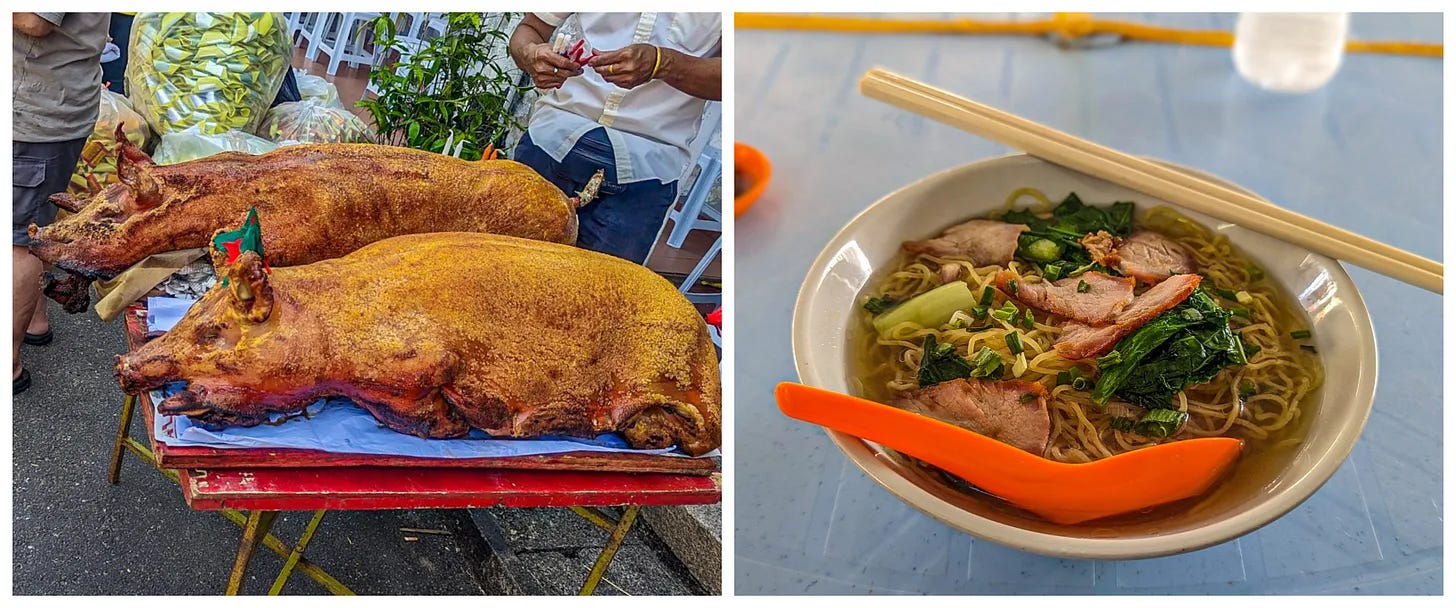
But Asian food was still way more meat-centered than we expected, with pork being especially popular. On our recent visit to China, there was pork in almost everything — even the vegetable and tofu dishes.
And yeah, almost everything is cooked in lard or other animal fats.
How is it different in America?
American Asian restaurants also serve plenty of meat, but it’s far more likely to be chicken, which is considered healthier.
And speaking of chicken…
They use chicken thighs rather than breasts, and they often leave the bones in.
“Chicken” in Asian cooking usually means thigh meat, not breast meat, which is widely considered inferior.
Chicken thighs cook better on high heat, like woks — and they’re less likely than white meat to dry out.
The bones and fat also give the food a better flavor.
Or is that a greasier flavor?
That’s in the tongue of the beholder.
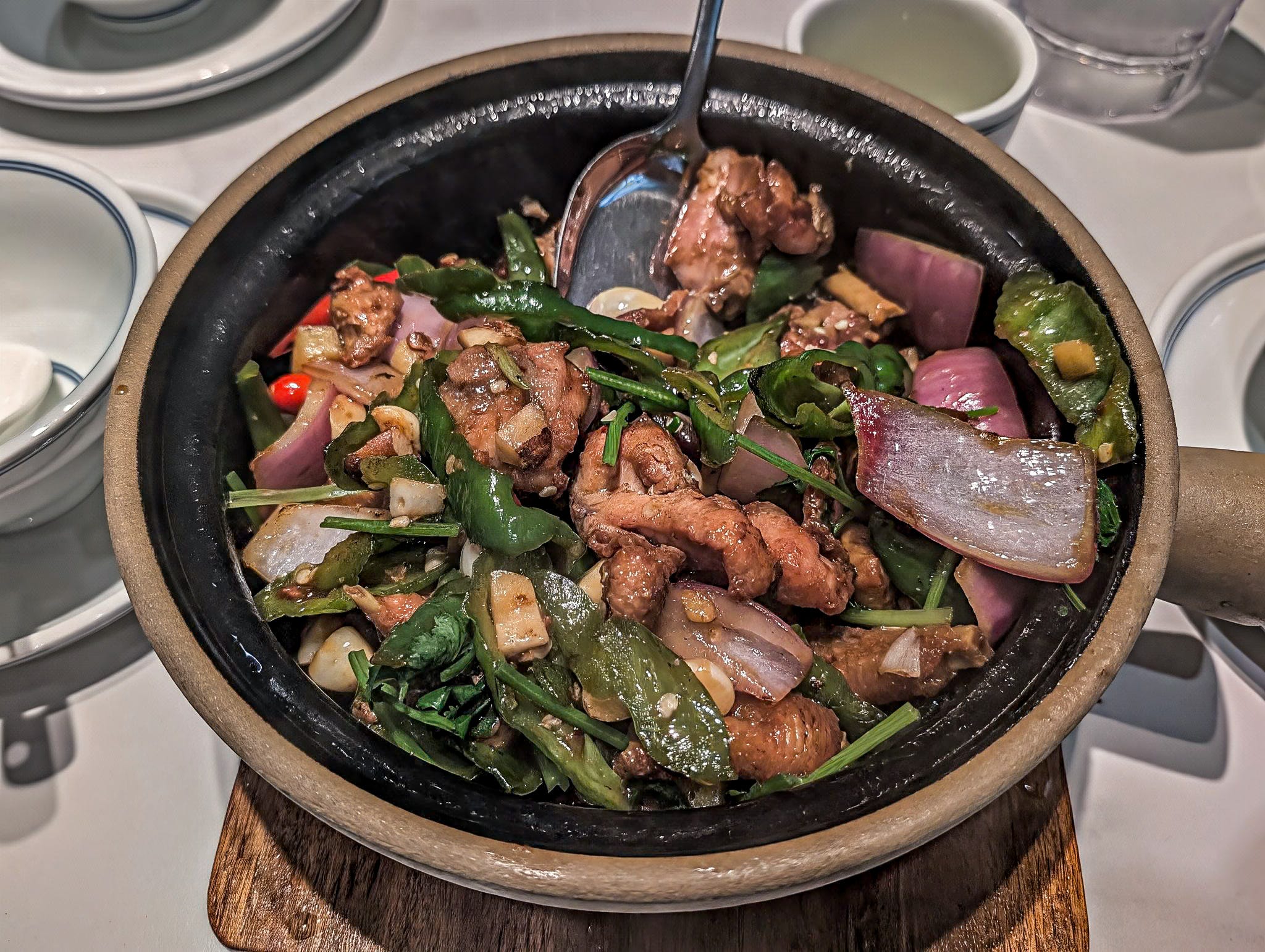
How is it different in America?
Due to America’s (somewhat) misguided obsession with cutting fat from everything, chicken breast is the go-to for a lot of dishes.
Asian food is often really sweet and really salty.
Wanting to learn more about food during our time in Osaka, Japan, we took a food tour.
One of the dishes served was kitsune udon, which includes a large piece of tofu so sweet that I thought there must have been some mistake in the kitchen.
But our guide assured me, nope, that’s how the dish is served. It’s meant to balance the dish’s saltiness.
Same for Osaka’s famous takoyaki, which we also had that night: a piece of octopus cooked inside a ball of savory batter and fried.
But it was slathered in an extremely sweet takoyaki sauce. Even the mayonnaise was sweeter than I expected.
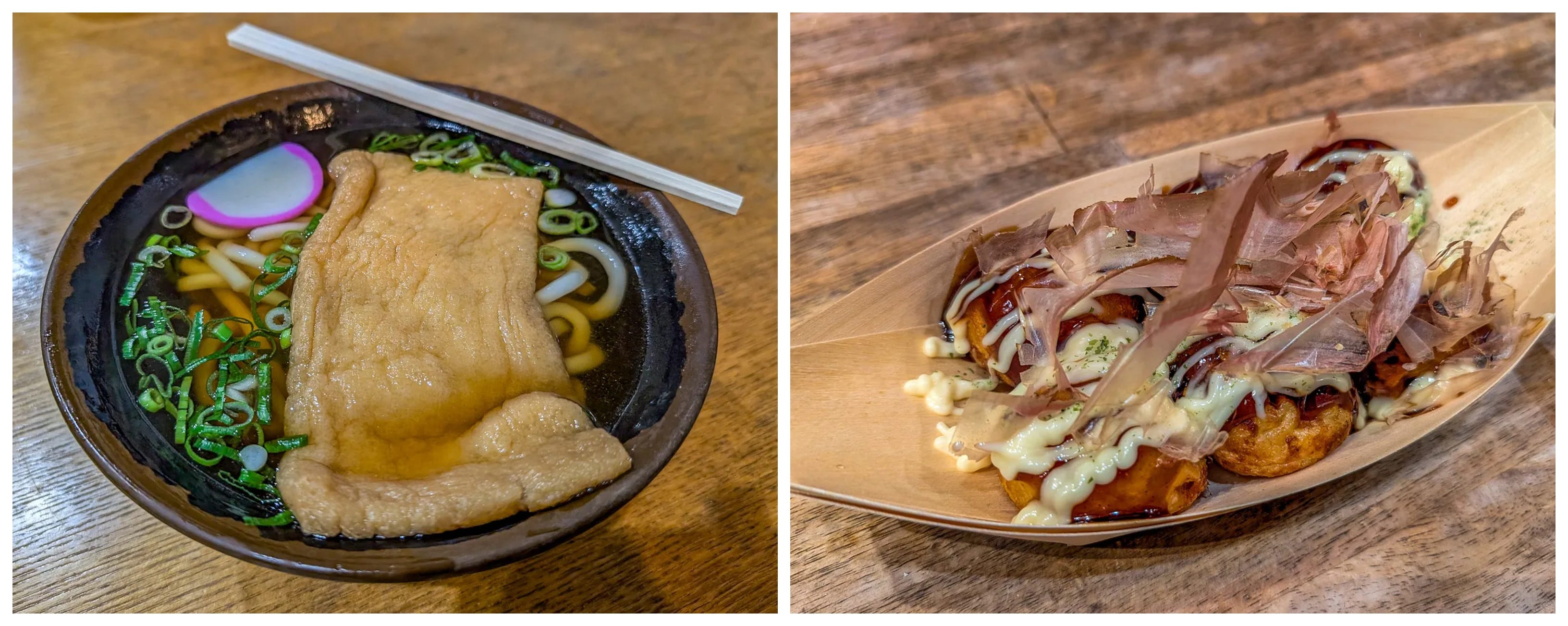
It was the same story all over Asia, especially in Thailand. A Thai chef even admitted to us, “Thai cooking has way more sugar than you think.”
In Asian countries, people often use “dark” soy sauces, which are sweetened to give dishes a nice glaze as the sugar caramelizes.
And most Asian cuisines eat a lot of rice, but it’s virtually always white rice, which is much easier to digest than brown rice and raises blood sugar much faster.
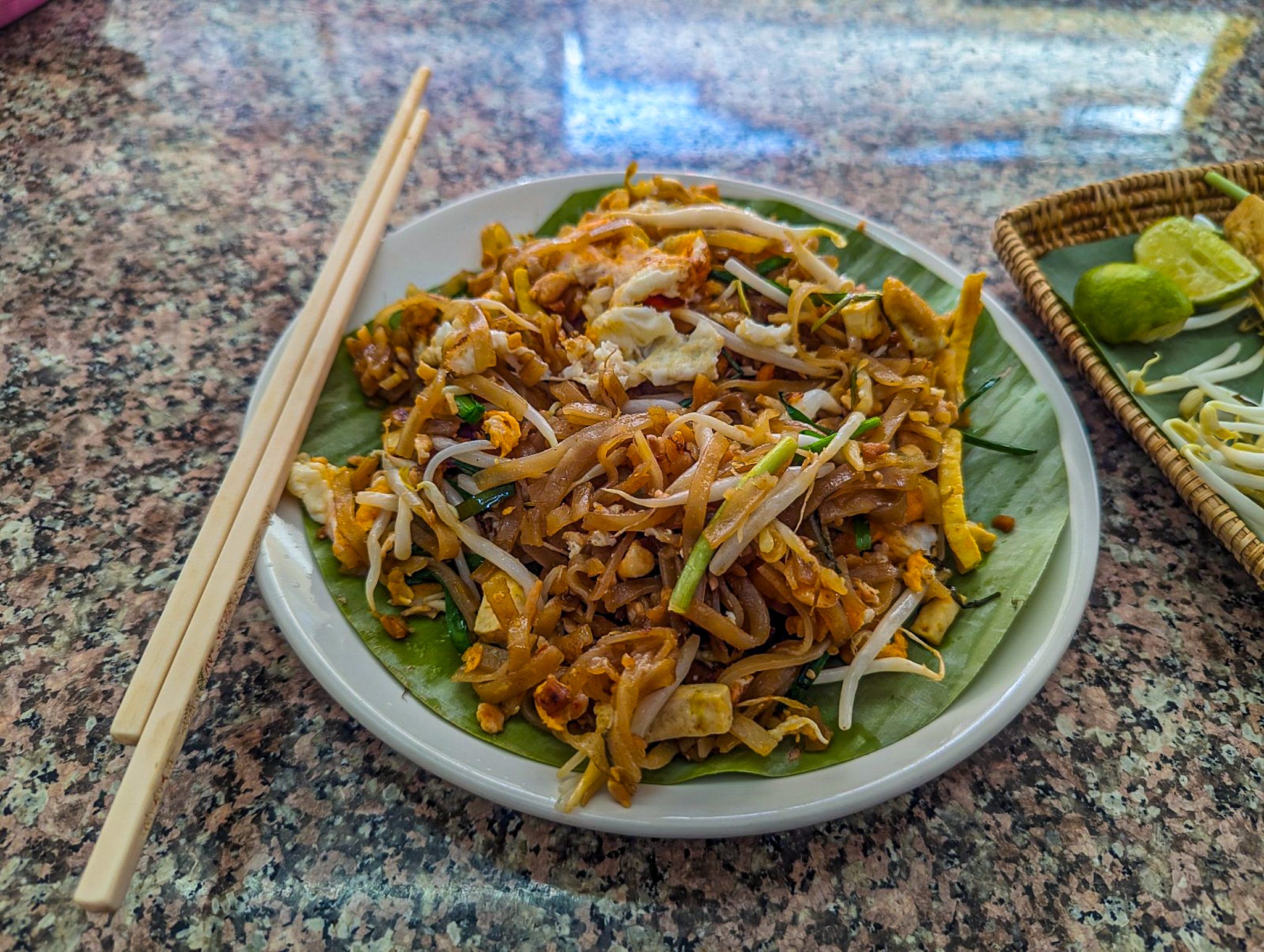
Then there’s salt.
Japanese ramen is famously salty — it can contain 1,500-3,000 milligrams of sodium per bowl. Udon can also be salty, depending on the type. Soy sauce and fermented pastes, staples across many Asian cuisines, also add significant sodium.
Here in Osaka, we recently had gyoza — to be dipped in a salty sauce, of course, and one type of gyoza was literally called “salted” gyoza. We also ordered stir-fried pea shoots that would’ve been fantastic, except they were incredibly salty.
Then there was that dumpling soup we had in China — with pork, of course. It tasted like a salt lick.
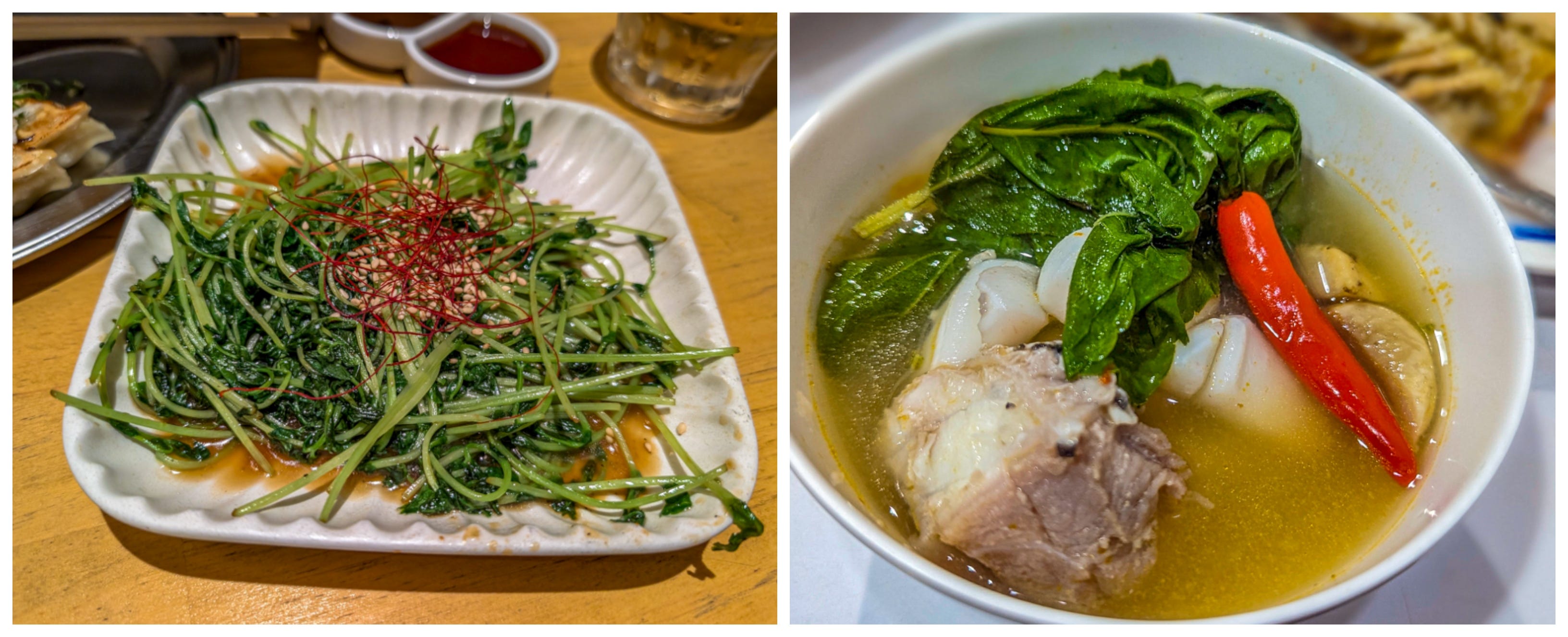
Incidentally, you might be thinking, if Asian cooking is full of fat, salt, and sugar, why are these cuisines considered so healthy? And why do Asians tend to be so thin?
In fact, Asians are generally healthier than the rest of the world.
But in the modern era, their diet is changing — becoming less plant-based, more meat-based. People are also eating out more, at restaurants and convenience stores, where the food is less healthy than home-cooked. And they’re less active now.
In other words, throughout Asia, rates of obesity, diabetes, and hypertension are quickly rising.
How is it different in America?
Back in Seattle, there was probably more sugar and salt in the Asian food than we knew. But we ate it, at most, twice a week. And there were almost always healthier options, including brown rice and chicken breast meat.
Some dishes are just a bridge too far.
Brent and I aren’t “foodies” exactly, but the food has absolutely been one of the best parts of our travels around the world. We’re fairly adventurous and are open to any new food that looks interesting.
In Malaysia, we had durian, a hugely popular Asian fruit. In Taiwan, we tried “stinky tofu.” And in Thailand, we ate fried insects and century eggs.
Most recently, here in Osaka, we had beef tendon, which is, yes, tendon simmered until soft and gelatinous.
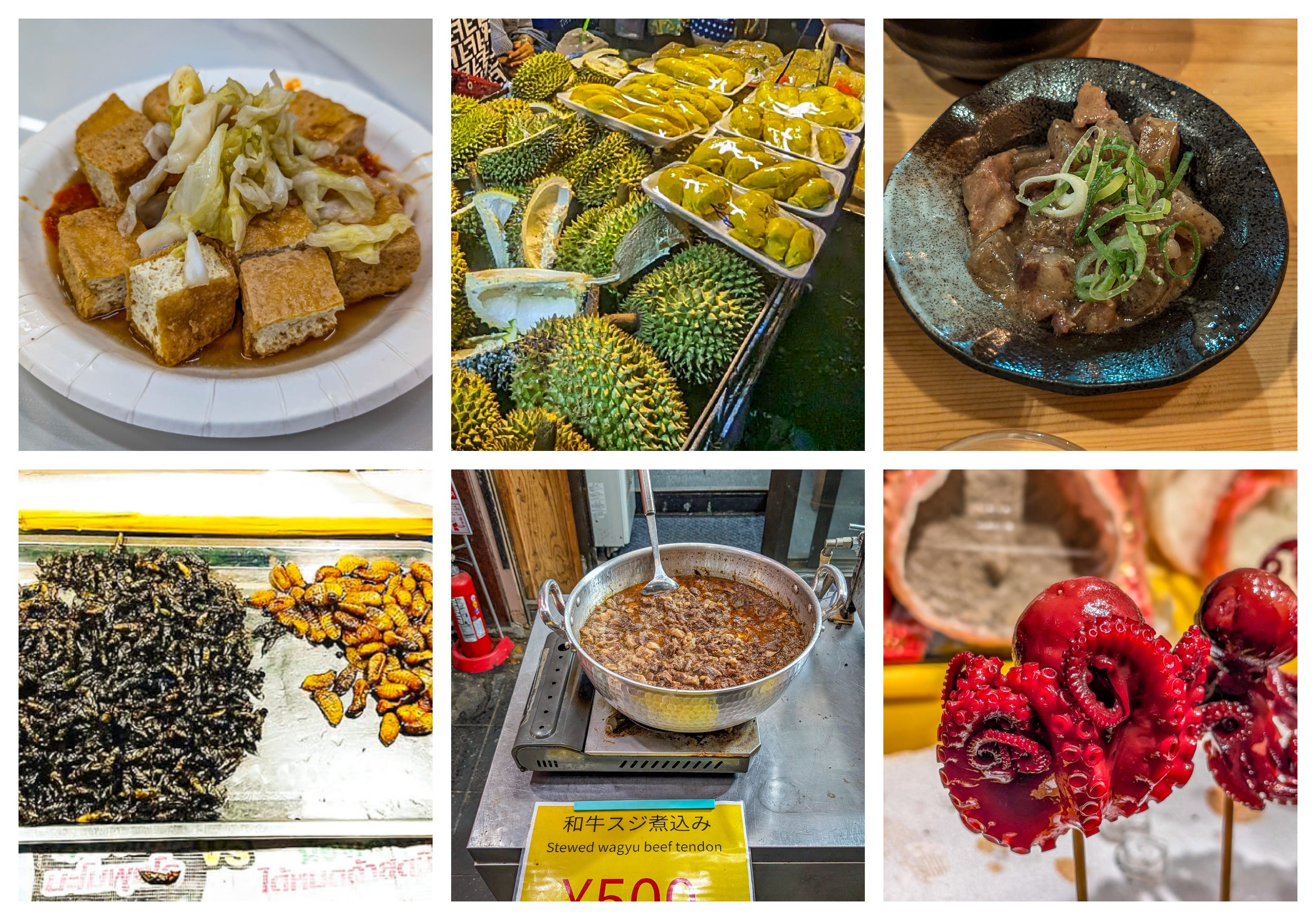
The problem is, we didn’t care for most of these dishes.
Durian smells so bad that many hotels ban guests from eating it in their rooms, but we didn’t care for the taste either. Same for stinky tofu, which is fermented for weeks or months in a mixture of milk, vegetables, and meat — and really does stink; for a while, we thought our local night market in Taipei had a leaky sewer.
Meanwhile, century eggs, which are also fermented, were simply too strong for us, and we couldn’t get past the viscous texture of beef tendon.
Then there’s all of the stuff we have elected not to try: pig’s blood soup, offal (animal organs), and tripe (the lining of a cow’s stomach).
Ordering at restaurants is sometimes tricky too, even with Google Translate. We’ve sometimes gotten dishes with chicken feet and heads, and other unexpected things — and we generally weren’t crazy about them either.
And we’ve written before how, in many Asian countries, shrimp and prawns are not shelled, not even in spring rolls or fresh salad rolls, and the legs are often not removed.
How is it different in America?
Everything is relative. If we’d grown up in Asia, we’d almost certainly love stinky tofu, durian, chicken feet, and unshelled shrimp.
We’re all products of our culture. But perhaps we’re more products of American culture than we knew.
Do we really not like actual Asian food?
We swear we do!
Sushi in Japan, soup dumplings in Taiwan, tom kha gai in Thailand: Yes, please!
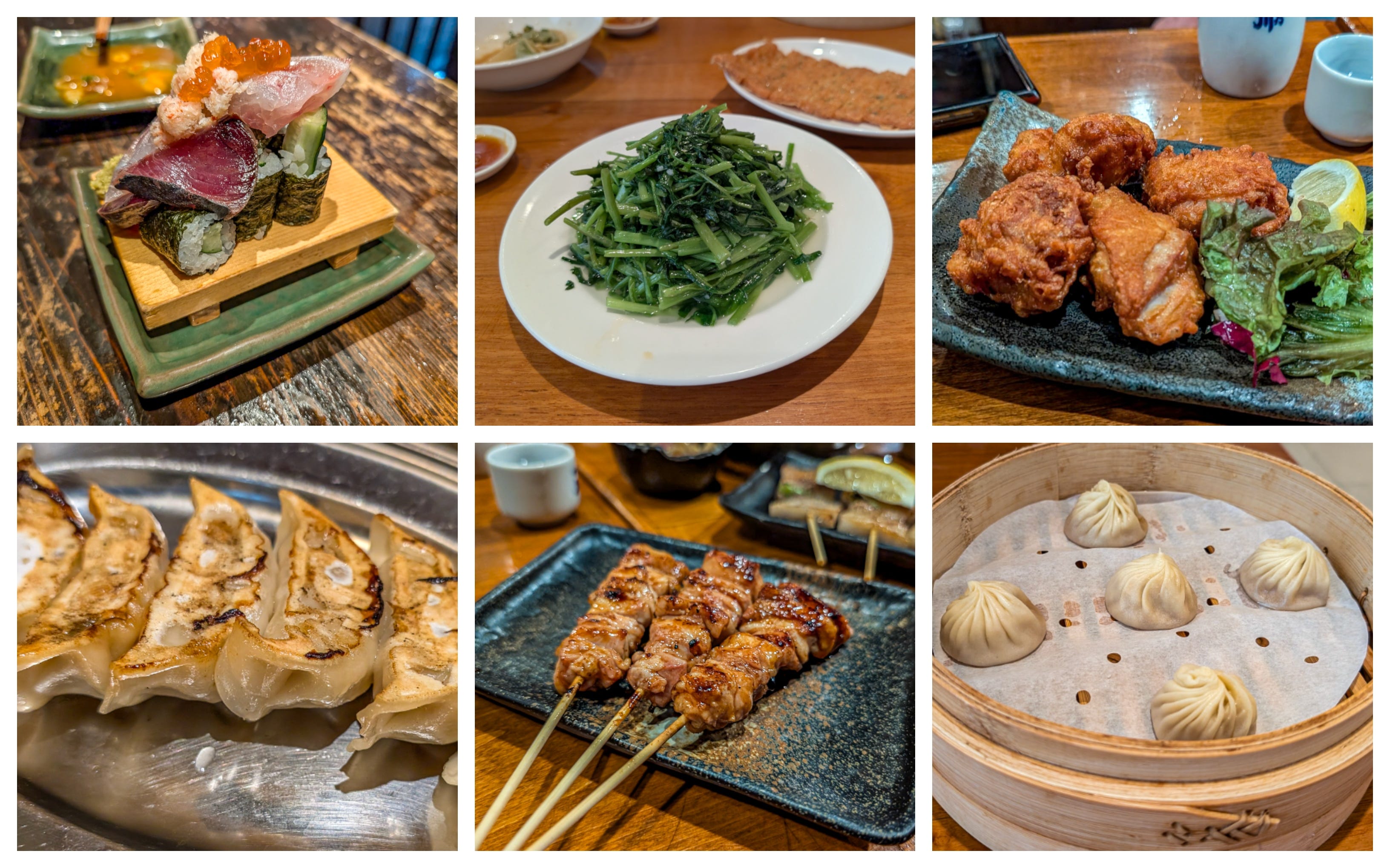
Even the “unhealthy” stuff like karaage, tempura, and ramen can taste delicious — in moderation.
And therein lies the rub.
Here in Asia, we’re eating Asian food almost every day, week after week, for months on end. And we often have only a very basic kitchen, so it tends to be restaurant or takeout food.
Living like this, the “problems” become more apparent.
But hey, travel always teaches you things you don’t expect. This one was a bit of a surprise, but it’s okay.
From now on, we’ll just take our authentic Asian food in more limited amounts.
Michael Jensen is a novelist and editor. For a newsletter with more of my photos, visit me at www.MichaelJensen.com.
I think as nations prosper, special "holiday" food becomes the norm available in restaurants/food stalls, and that just isn't healthy! I think that is leading to obesity and widespread diabetes and heart disease throughout the world. Sure, Asian food was "healthy and the people stay thin"-- when they mainly ate a few tiny bowls of rice with dried fish and vegetables, and maybe tofu and some clear broth! That certainly isn't the case nowadays. Bubble Tea, croissants, french fries, KFC (and Korean Fried Chicken), Tempura, coconut curries, butter chicken, spicy sweet mayo sauce on sushi-- they are delicious, rich, and often sweetened. Thai food uses even more sugar than before, Chinese food becomes lard-ier, because they CAN. It certainly doesn't mean you have to eat it either. It's certainly a balance.
We live in Bangkok, and getting older means we need to eat less, and better-- that means brown rice and whole grains and plenty of vegetables, tofu, chicken breast, fruits, and salad...maybe 85% of the time. Our "Longevity Check Up" we had at a local hospital reminded us that yep, we need to eat more veggies and skip anything buttery, oily, and fried, and sweet. UGH.
As for the rest, I also don't like durian, stinky tofu, century eggs, and I am Chinese-American!
Some things you just have to grow up with-- chicken and fish chopped up with bones are a pain (and sometimes dangerous), but just the way we ate-- with chopsticks, and spitting out the bones. The gelatine-like textures of tendon, or chewy tripe (quite good, btw), or smooth cooked pork blood (doesn't taste like anything besides broth, at least in Thai soups) are something you learn to actually crave after awhile, ha-ha.
Just like there is a huge variety of the types of "American" food, good and bad, there's the same in China and Asia. It's just a matter of preference. I hate cilantro, mustard greens, liver, raw fish-- my husband hates brussels sprouts and cream cheese-- in his sushi, ha-ha!
I loved reading this. I haven’t traveled as much as you but every time ( Turkey, Morocco, France, Amsterdam, Croatia, Spain, Prague) I’ve remarked that we have more variety of food here in the US. Each area has their specialty ( French pastries, Spanish tapa) but overall if you aren’t a high meat and gravy eater it disappoints. I’m always looking for international restaurants to get some variety ( Thai in Spain, Italian everywhere). I thought Morocco would have Northern African spices but I found everything bland. The best for me was Viet Nam. I didn’t care about the fatty chicken. It was amazing. Thanks for being honest about the food.