


This is a feature about where we currently are in the world: how we ended up there, what it costs, and exactly what we think.
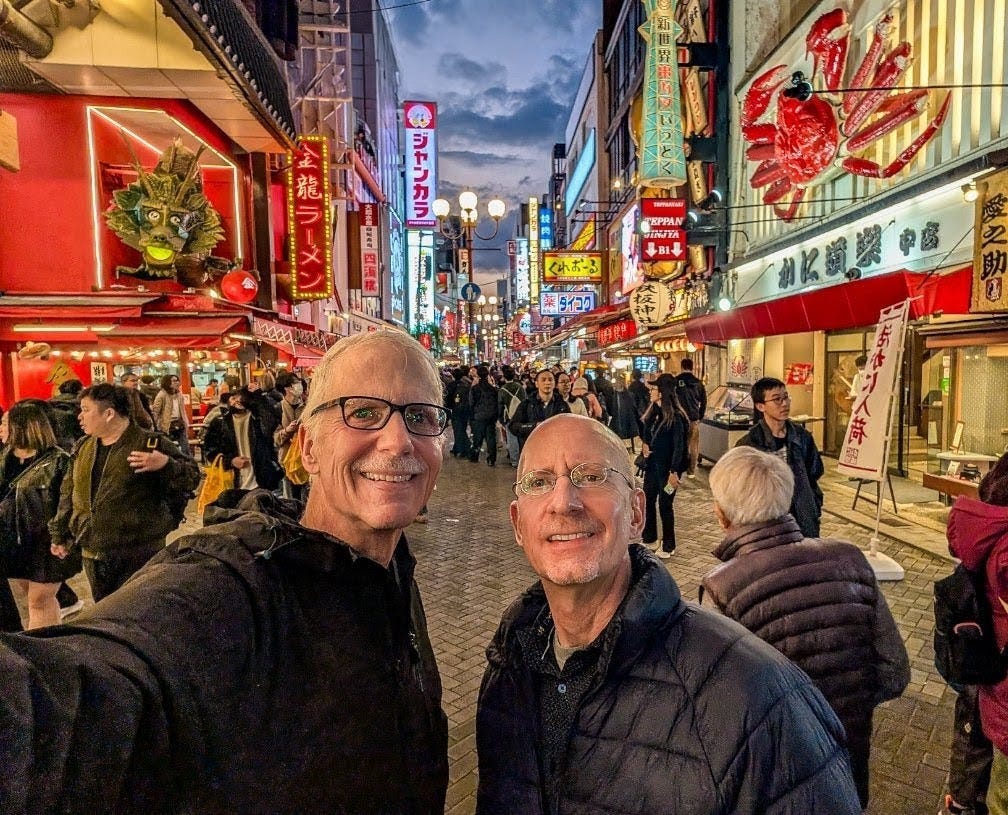
Brent and I have a 90-day “tourist visa” in Japan, and after our two-week road trip with friends through northern Japan, we considered many different options for where to go next.
Should we stay in Tokyo for a couple of months — with weekend trips to Kyoto and Hiroshima? Or should we find a quiet seaside village somewhere to hole up in for the holidays?
But Tokyo was insanely expensive, and we couldn’t find anything in the right seaside village either.
Kyoto wasn’t much better, but we’d heard good things about Osaka — and at least there were reasonably priced rentals. We booked for a single month, thinking we might find something cheaper here or in nearby Kyoto by keeping our ear to the ground.
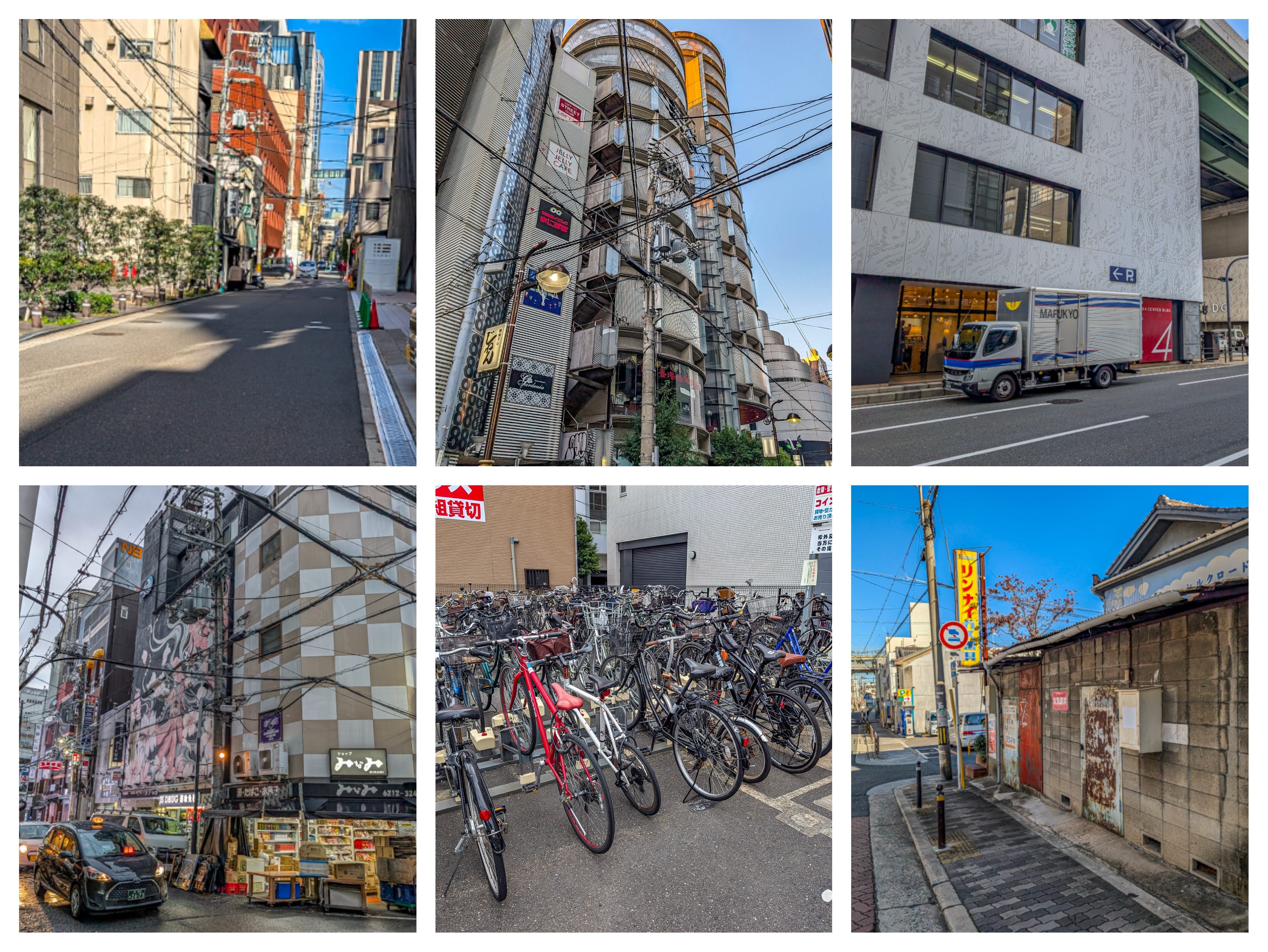
Our first impressions of Osaka weren’t great. The buildings are fairly nondescript, and utility wires are everywhere.
A third of the city’s urban area was destroyed in World War II, and when it came time to rebuild, the goal was to do it fast and cheaply. Meanwhile, the ugly powerlines are overhead because that’s easier to repair in the aftermath of the area’s many earthquakes.
So this charm-free city was not what we’d expected. Had we made a mistake coming here?
At least we’d only booked for a month.
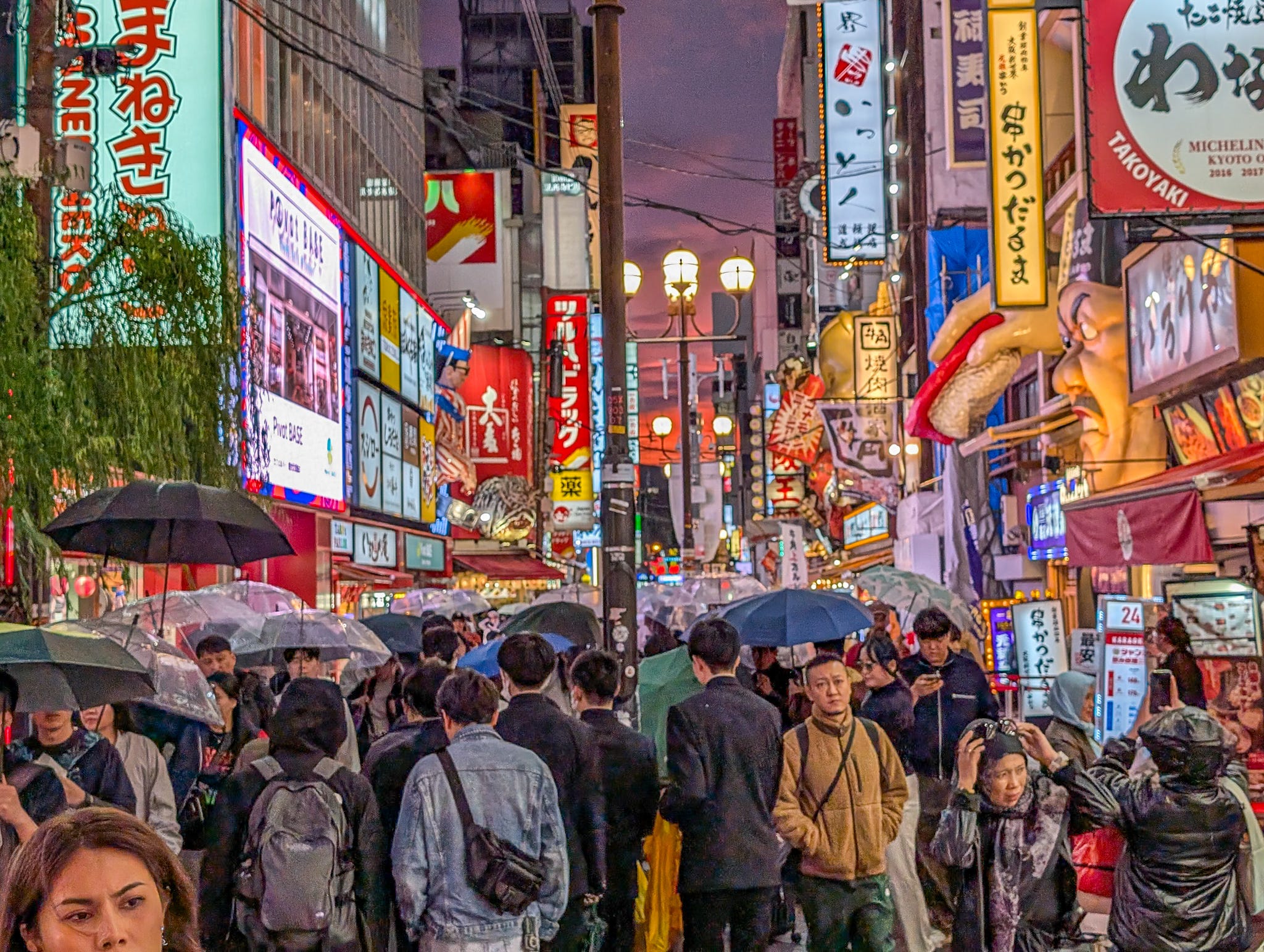
Then night fell, and we realized the city looks completely different once the sun goes down — downright dazzling, in fact.
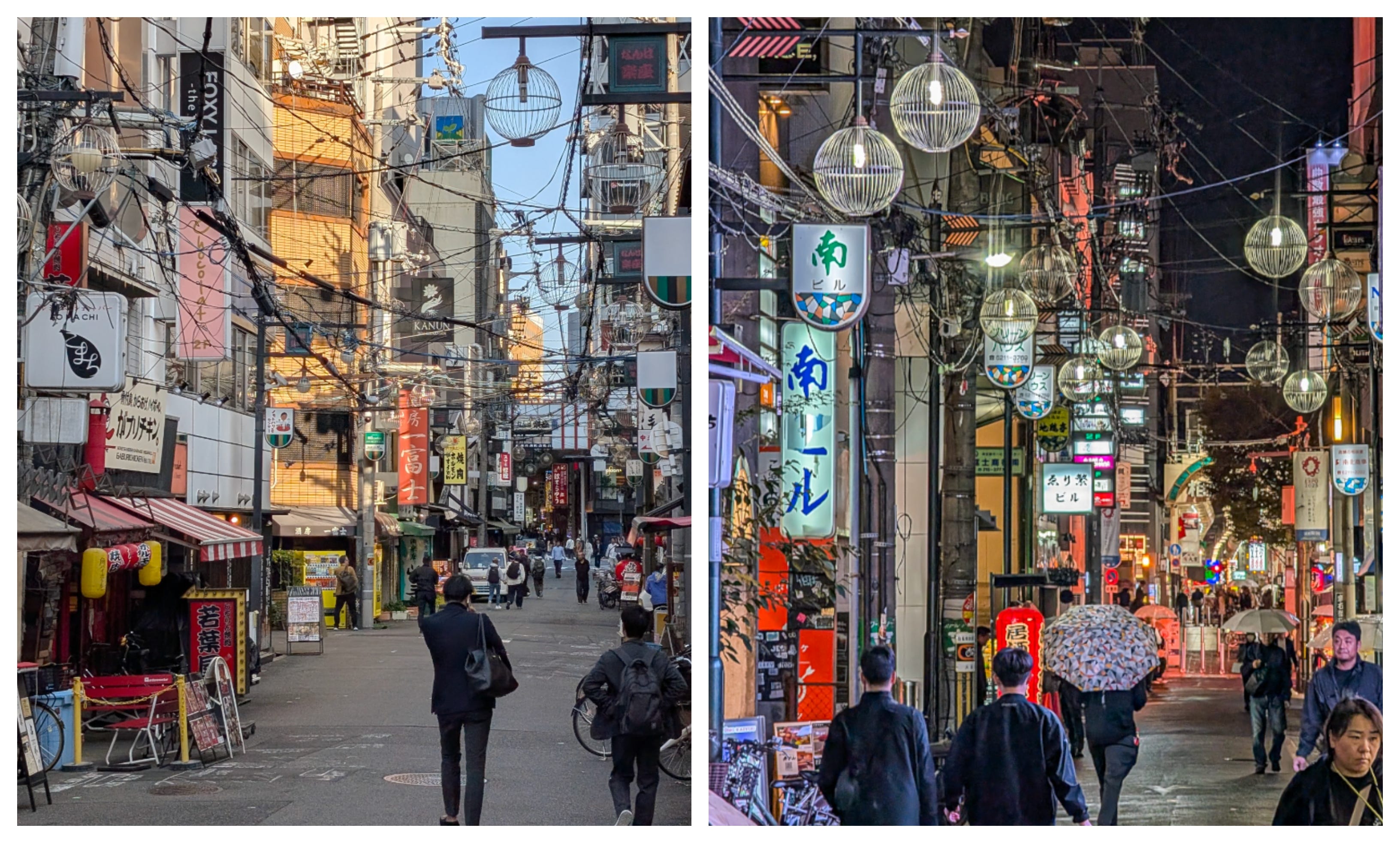
Still not convinced? Take a look at the exact same street during the day and night, as it changes from “meh” to “mahvelous!”
In other words, during the day, Osaka is like a respectable older Japanese couple. But when the lights go down, it becomes more like a couple of fabulous Japanese drag queens on the Las Vegas Strip:
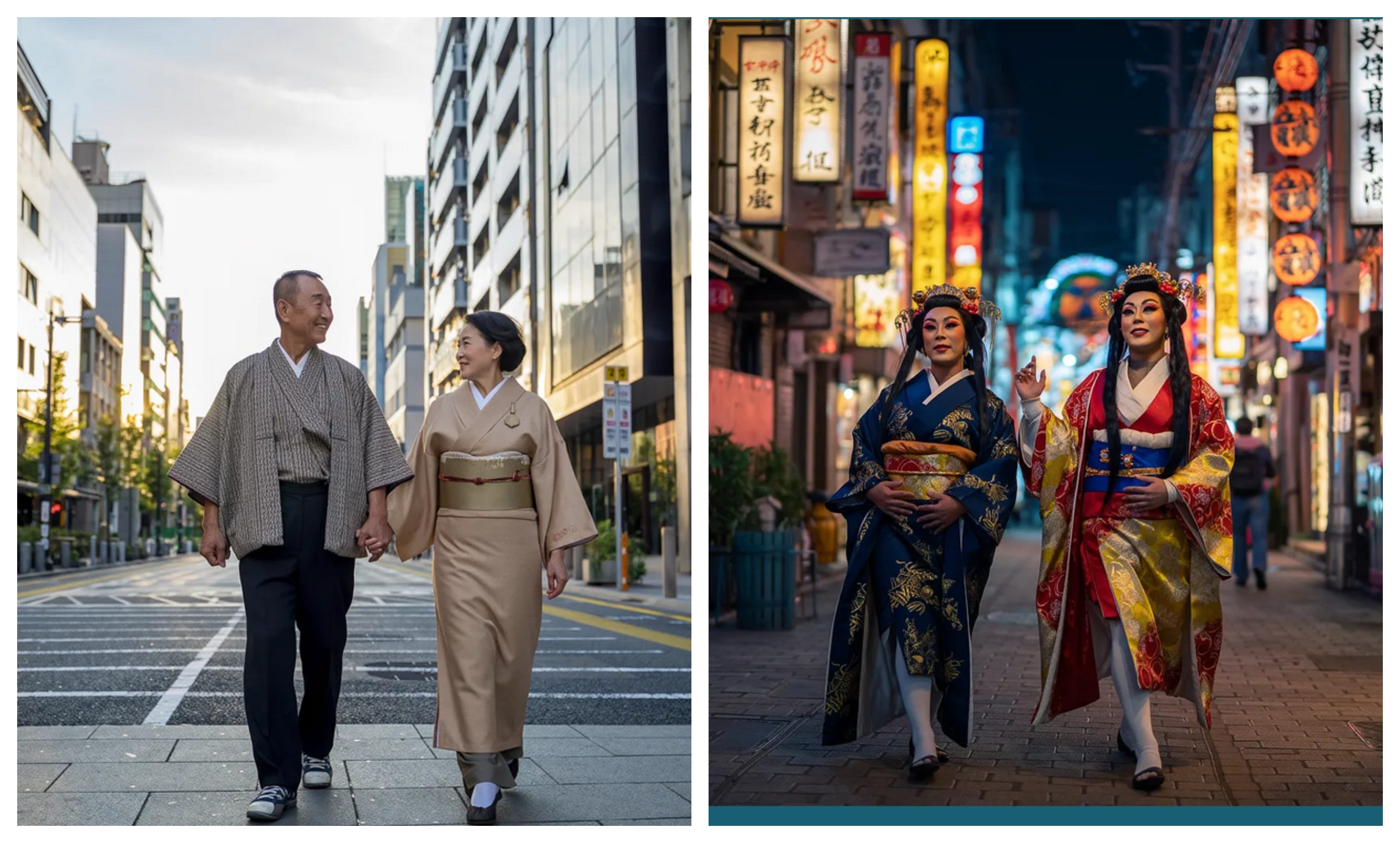
The transformation is most notable in the Dōtonbori neighborhood, which is incredibly touristy. But it happens everywhere: streets go from harsh concrete boulevards to charming corridors illuminated by lanterns and lampposts — and, of course, lots of Asia’s trademark neon.
It’s also two different cities in another way: there’s almost an entire second city underground — and in the various malls and arcades all around town.
That’s because almost every major metro station is a sprawling underground complex filled with shops, department stores, restaurants, grocery stores, and more — and it’s usually connected to a series of other malls and arcades, with more restaurants and shops, and also cinemas and entire department stores.
Osaka really does explode the space-time continuum!
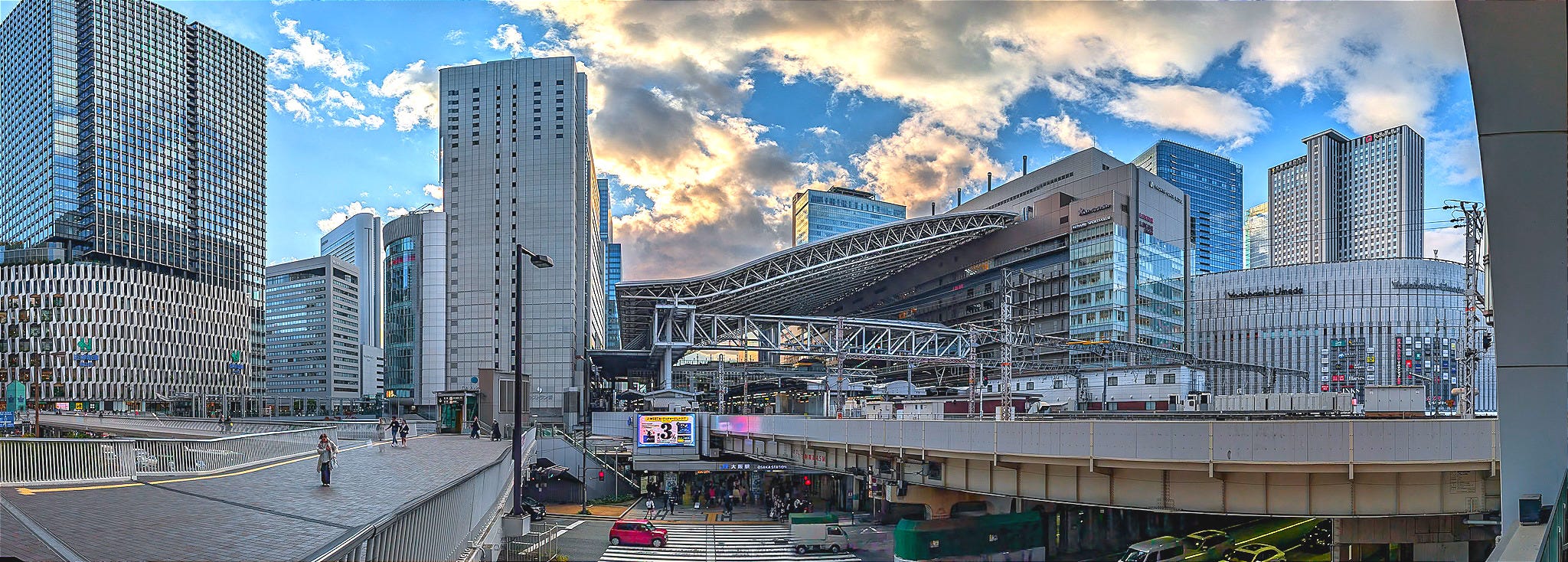
The Osaka and Umeda station complex is the fourth busiest in the world. But it’s also just one part of a greater complex, Osaka Station City, which is home to a series of malls and massive department stores.
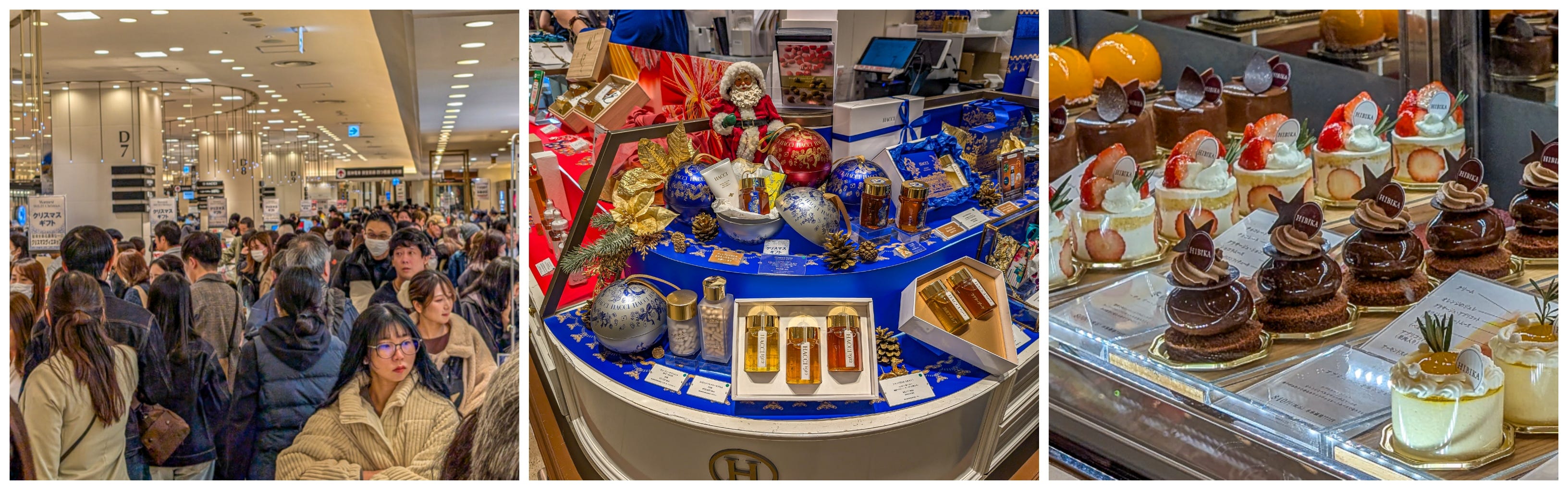
The food halls on the lower level of the Hankyu Department Store are, well, next level. This is where you’ll find the Dessert Hall, with 50 counters selling fancy cakes, luxury chocolates, gourmet ice cream, and more.
And there is an entire other floor filled with groceries.
Where are we staying? What does it cost?
Once we realized that we liked Osaka and wanted to stay, we discovered that our existing rental was booked for the following month. And despite asking around, we couldn’t find anything else either.
We returned to Airbnb, and by now, the pickings were slim there too.
In the end, we stayed in two different Airbnbs in two very different parts of central Osaka.
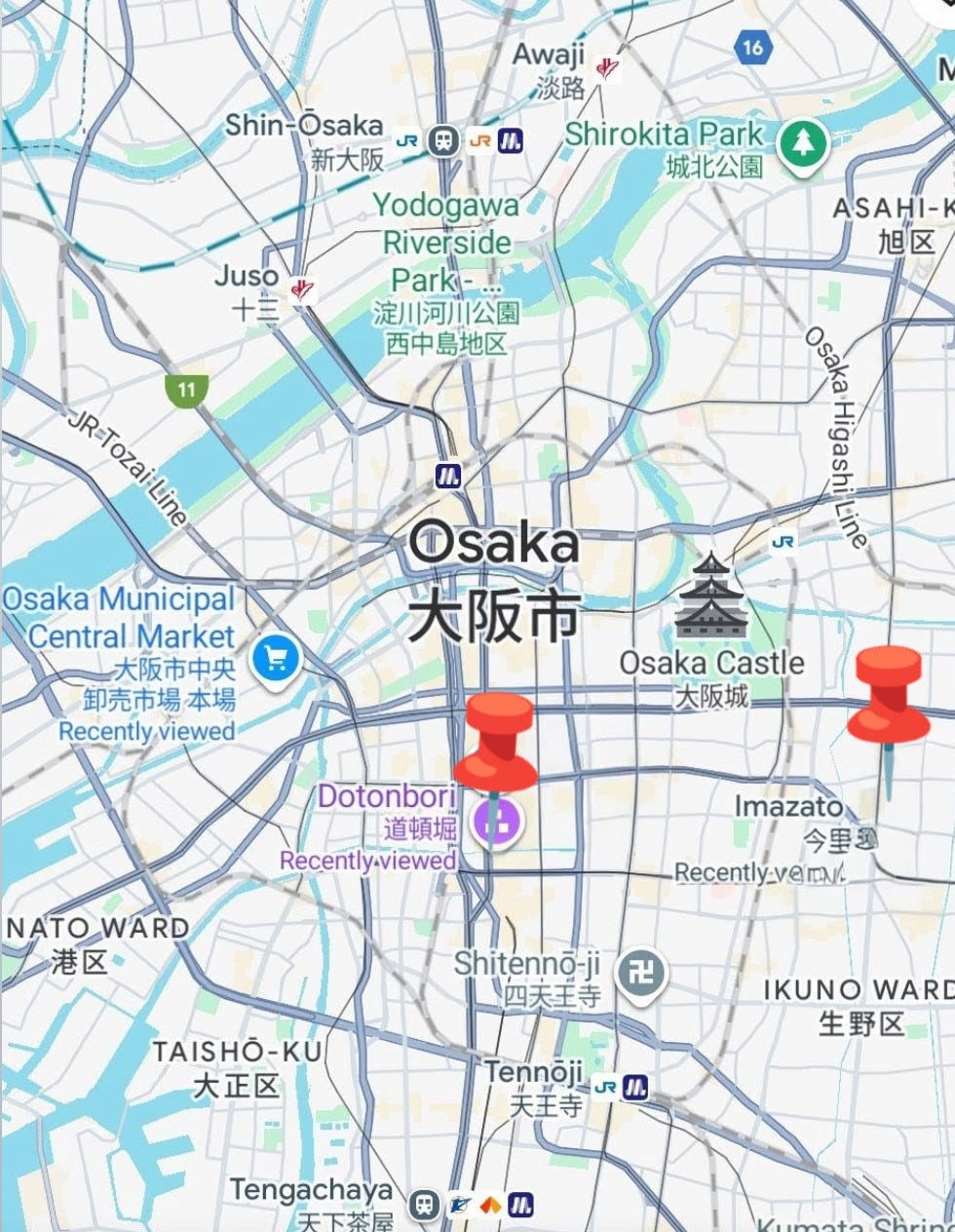
Our first rental was a one-bedroom apartment in the Chuo Ward, a short walk from some of Osaka’s most famous attractions.
We paid:
