
Japanese Restaurants Often Display Plastic Models of Their Dishes. But How Much Are They Like the Real Food?
And are the accuracy and realism of the models any indication that the food is any good?


Take a look at the pictures below. Some are real food, and some are plastic models displayed outside Japanese restaurants that serve those dishes.
Can you tell which is which?
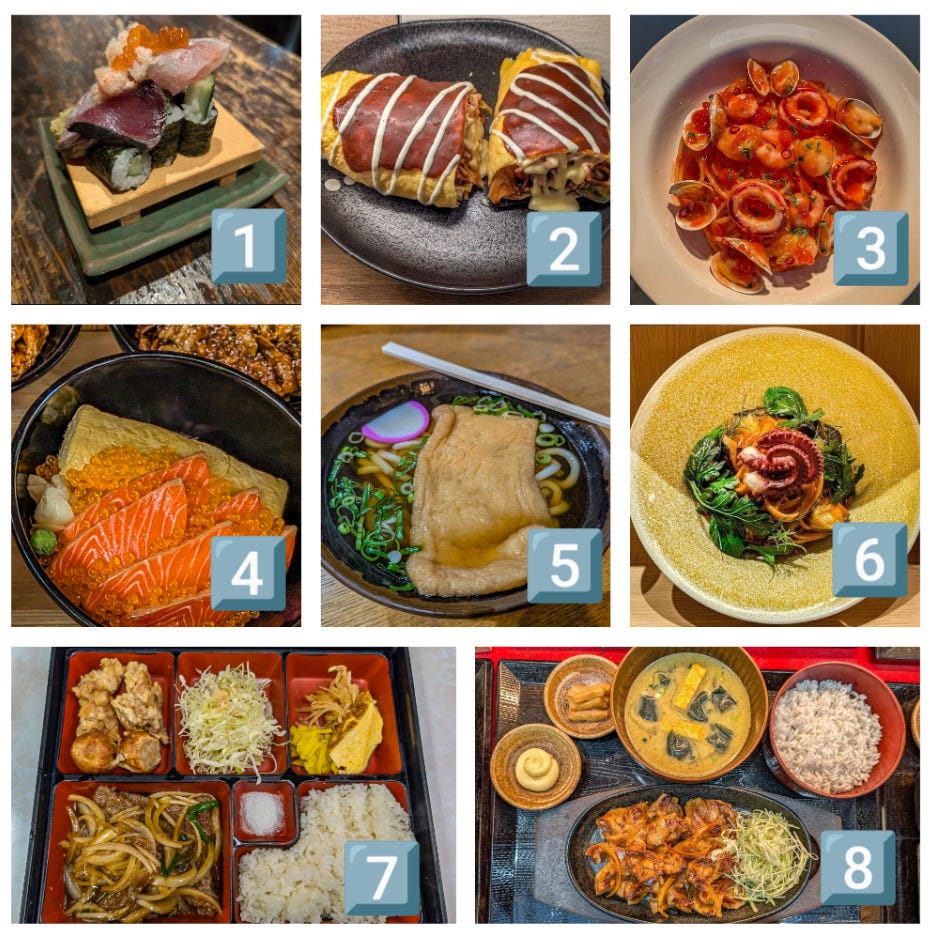
One, five, and seven are real — the rest are plastic models.
Pretty realistic, no?
We’re currently living in Osaka, Japan, which is known as “Japan’s kitchen.” The area is famous for the many dishes it has popularized — and also its many restaurants.
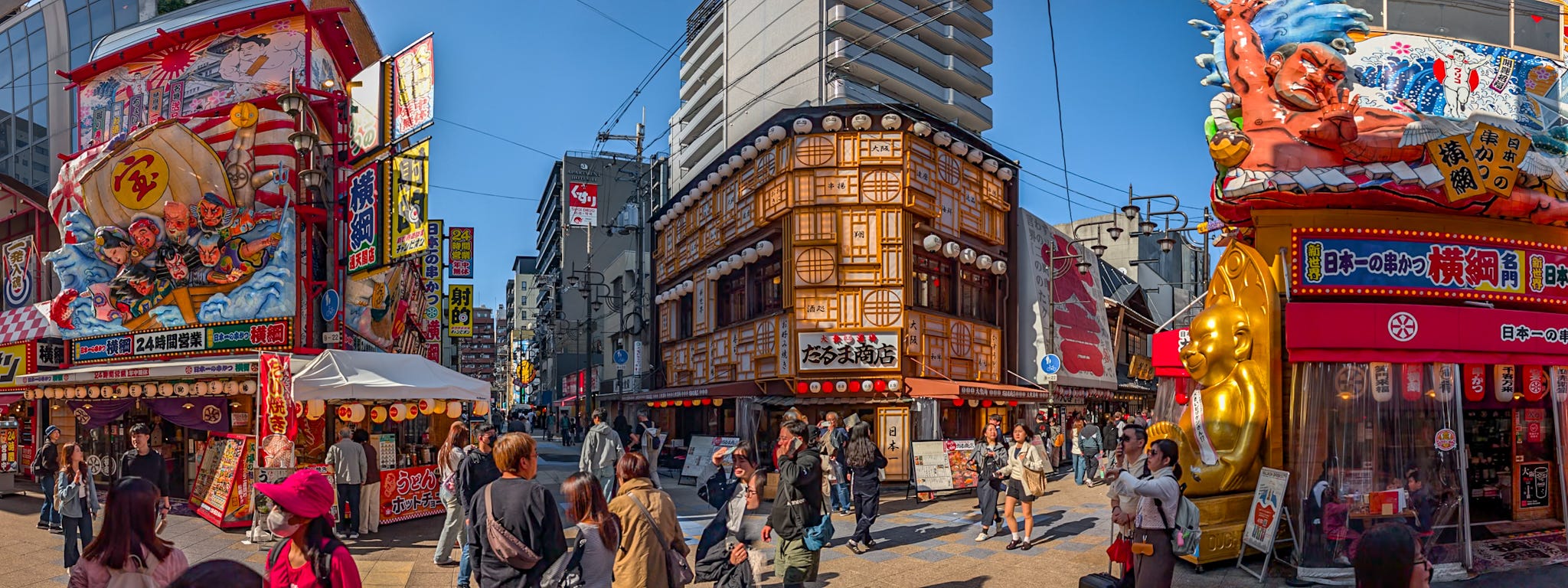
But it’s also known for the campy, over-the-top nature of the city’s food scene. Much of central Osaka has a carnival-like atmosphere, with bright neon signs, giant figurines, and mechanical models all trying to lure diners into restaurants.
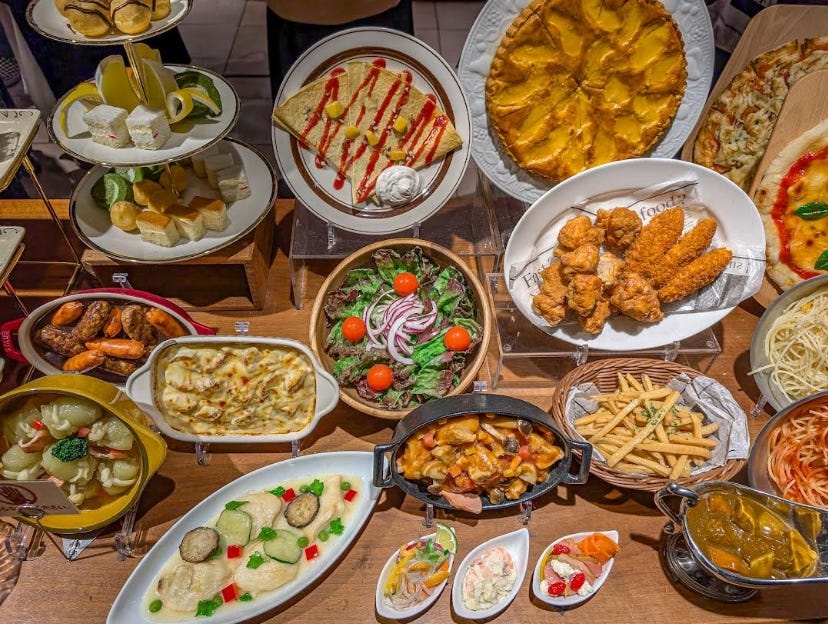
Japanese restaurants are also famous for displaying plastic models of their food outside their establishments. The Japanese term for these models is sampuru — adapted from the English word “sample.”
But sampuru are especially associated with Osaka, which is where the models (probably) originated, and this is also where they may be the most elaborate and spectacular in all of Japan.
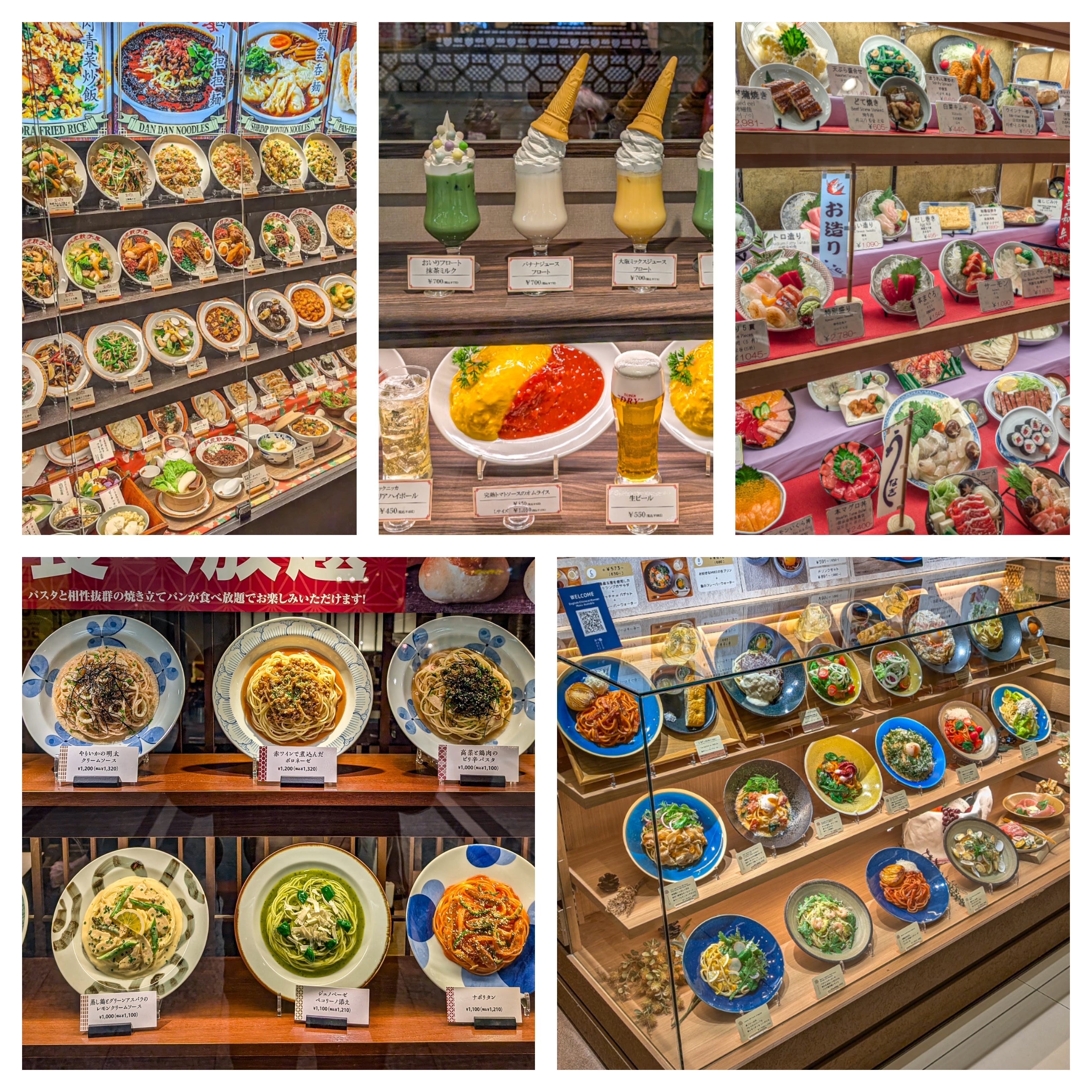
The models really are realistic. But are they accurate? Do they match the food that these restaurants actually serve?
More than once, we heard how local restaurateurs take great pride in making the models resemble their actual food as much as possible, providing the sampuru artists with photos and even samples of their dishes.
But do they succeed?
Furthermore, does the appeal and accuracy of the models have anything to do with how good the food tastes?
We decided to find out, going to a variety of Osaka restaurants and comparing the food actually served to their plastic models outside.
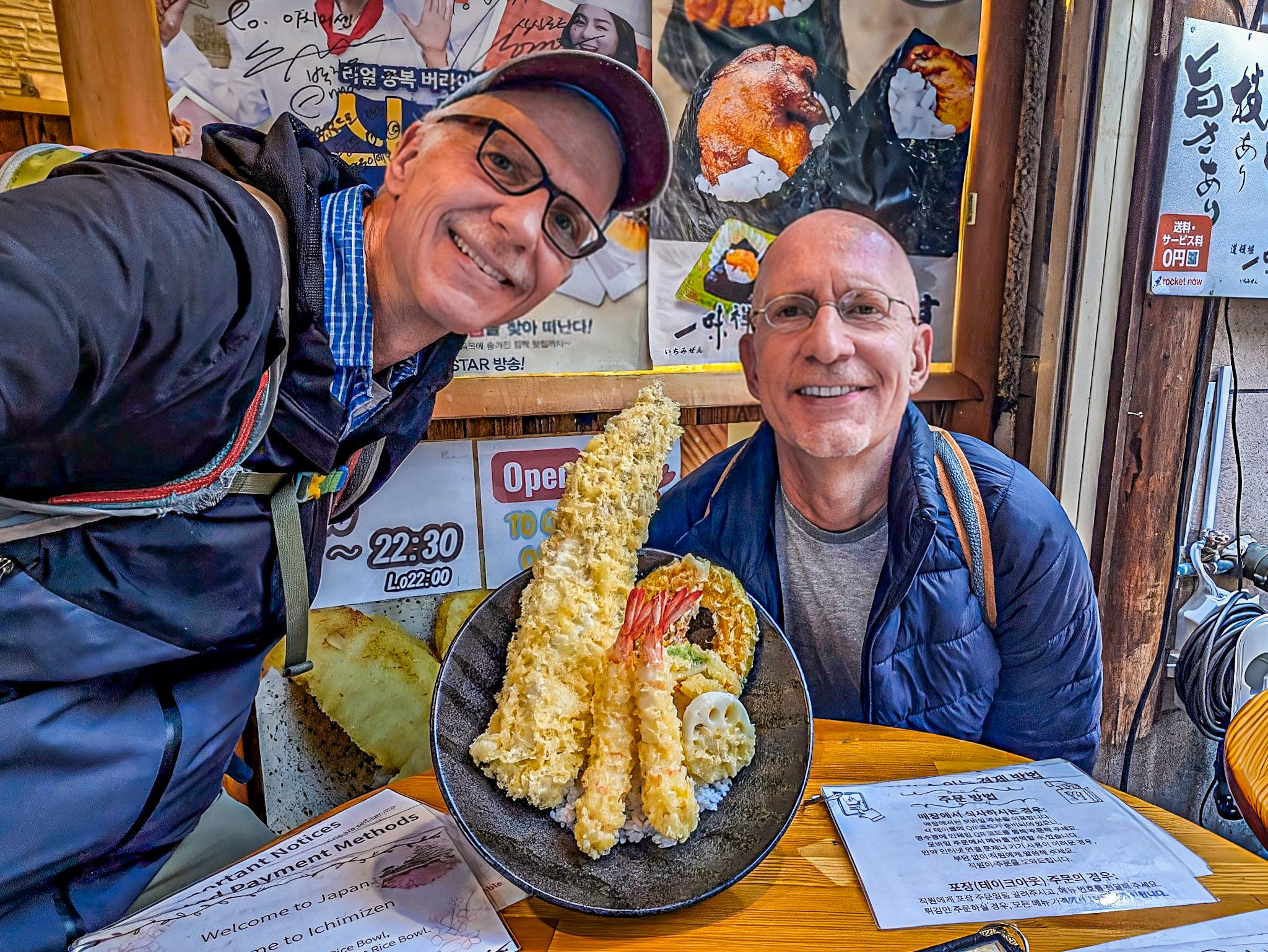
A fast-food tempura shop
We started at a tempura shop steps from the Dōtonbori canal, possibly the most touristy part of town. The models — one of which is above — made the food look fantastic, especially the shrimp.
Below, a model is on the left, and the real food is on the right:
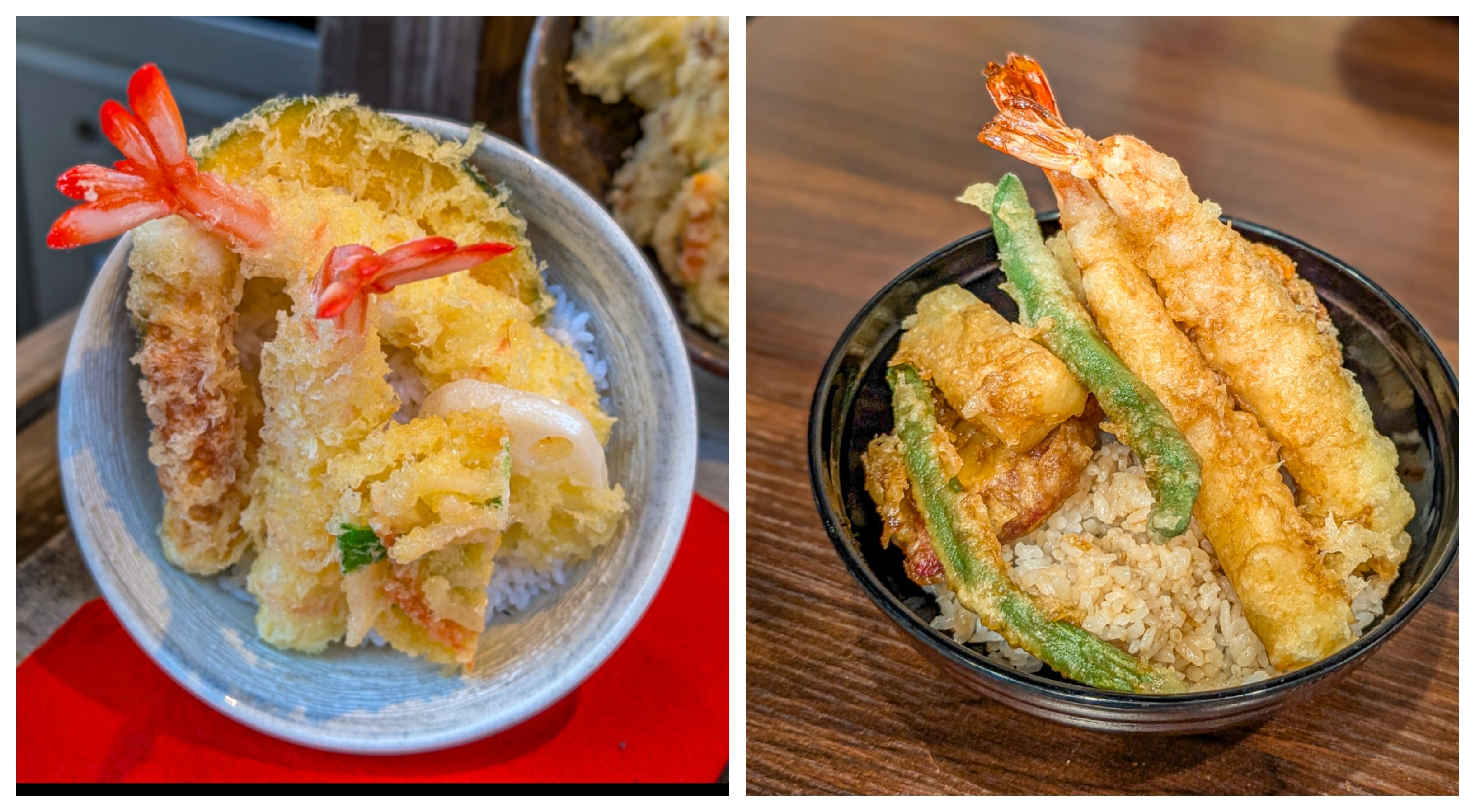
What Did We Think?
The model was fairly accurate! But the actual food tasted terrible — soggy and greasy. Not only was it easily the worst meal we had in all of Japan, but it was also the worst tempura we’ve both ever had in our entire lives.
A mid-range restaurant
We tried a basic restaurant in one of Osaka’s many underground malls. We ordered “set” meals of fried chicken, rice, veggies, soup, and salad.
Here is the restaurant’s plastic model, once again on the left, along with their actual food on the right:

Here’s a close-up of just the entrees:
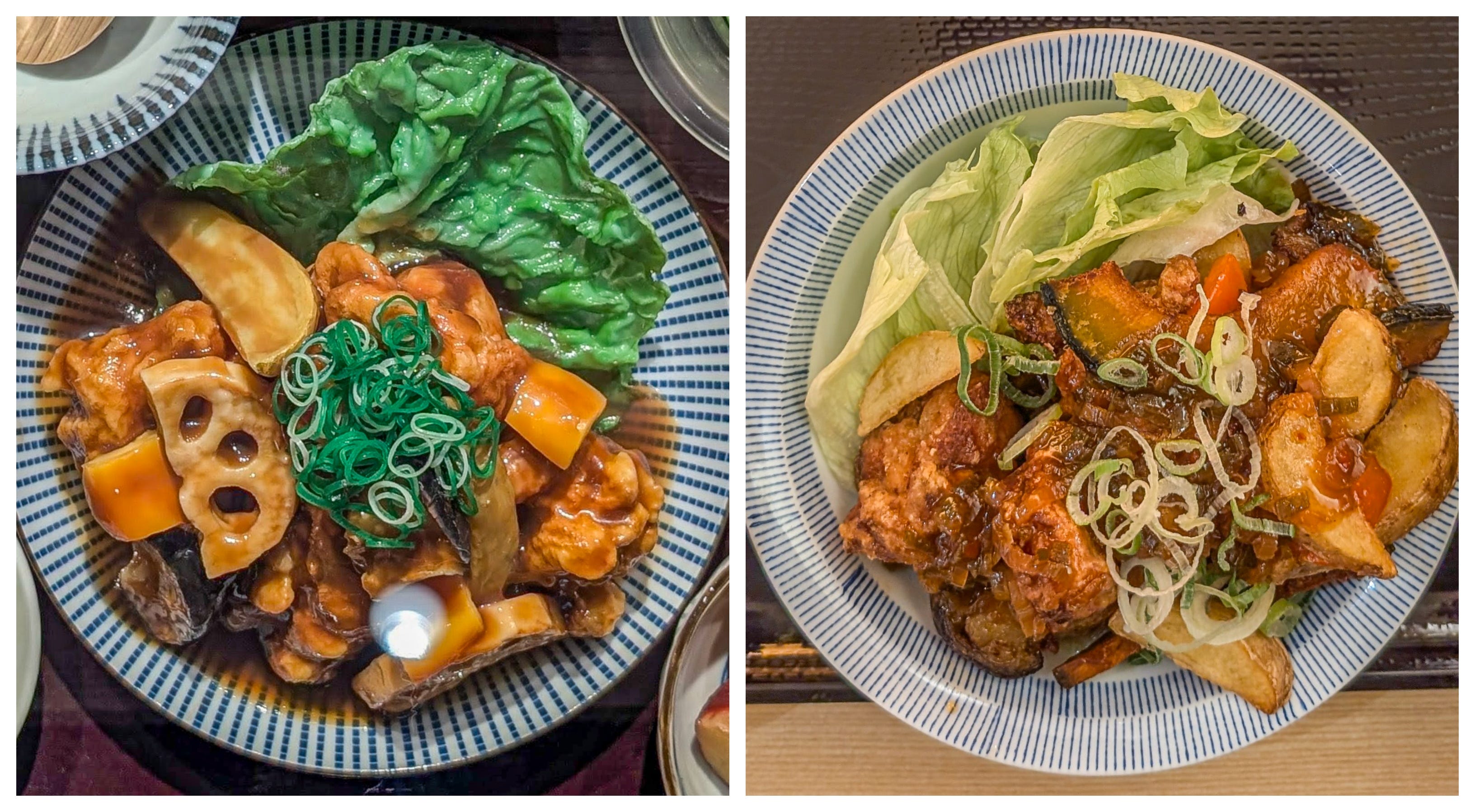
What Did We Think?
The model looked almost nothing like the actual food, which wasn’t terrible, but also wasn’t anything special.
A “hole-in-the-wall” diner
One afternoon, lost in a sprawling market, we spotted plastic models of omelets — not a breakfast food in Japan — outside what looked like a very local restaurant.
We ordered their signature omelet over rice and beef with gravy, along with fried chicken. The model is on the left:
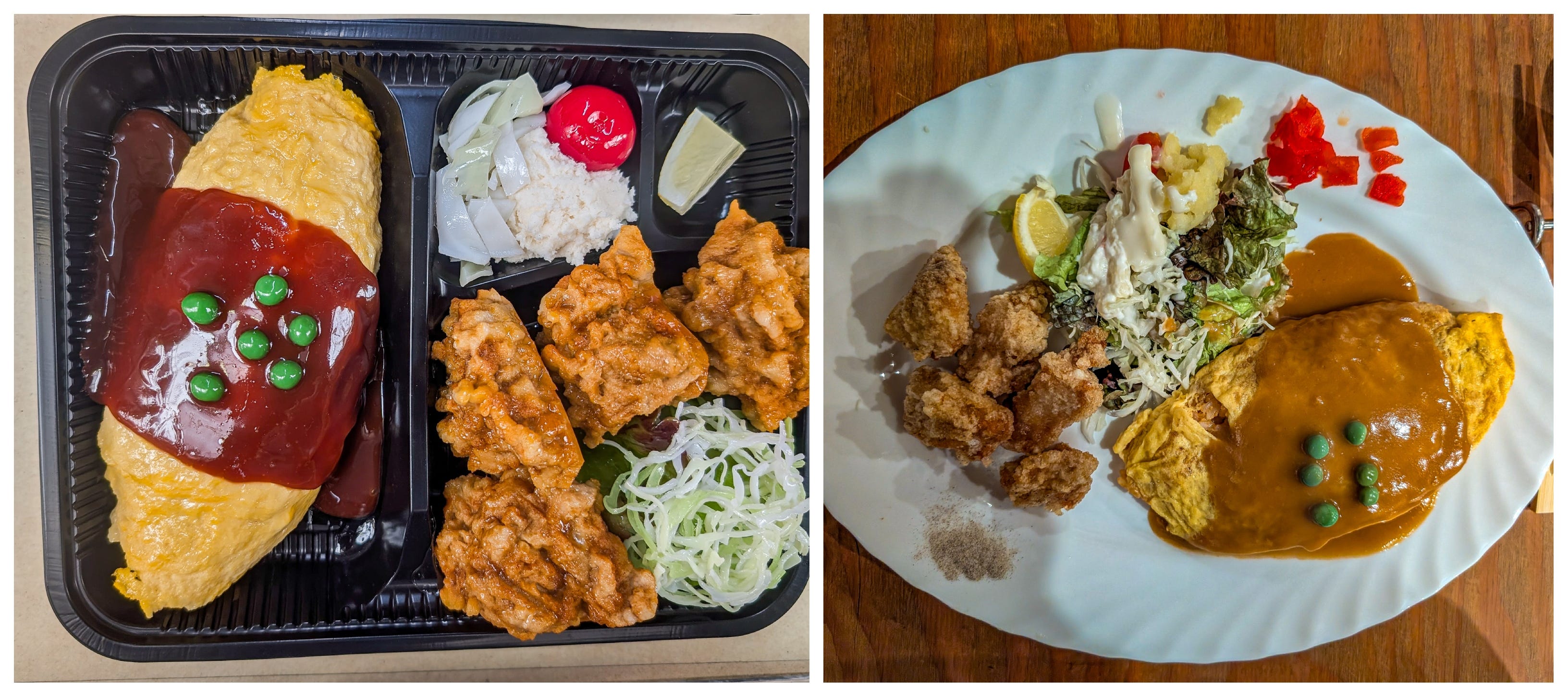
We also ordered the same omelet with fried shrimp:

What Did We Think?
Once again, the actual food looked nothing like the models outside — although, interestingly, they remembered to add the decorative peas. The fried shrimp was inedible, but the chicken was better. Most importantly, the omelets were quite good, wrapped around hearty rice and covered with a surprisingly subtle gravy.
Better still, the place was very local, and the waitress, cook, and other Japanese patrons were all abuzz that two non-Japanese — especially two Americans — had somehow wandered in. No one spoke English, but they couldn’t have been more friendly or welcoming.
A higher-end restaurant
In Japanese malls, the most expensive restaurants are usually located on the upper floors. We tried one that had probably the nicest food models out front that we’d seen so far.
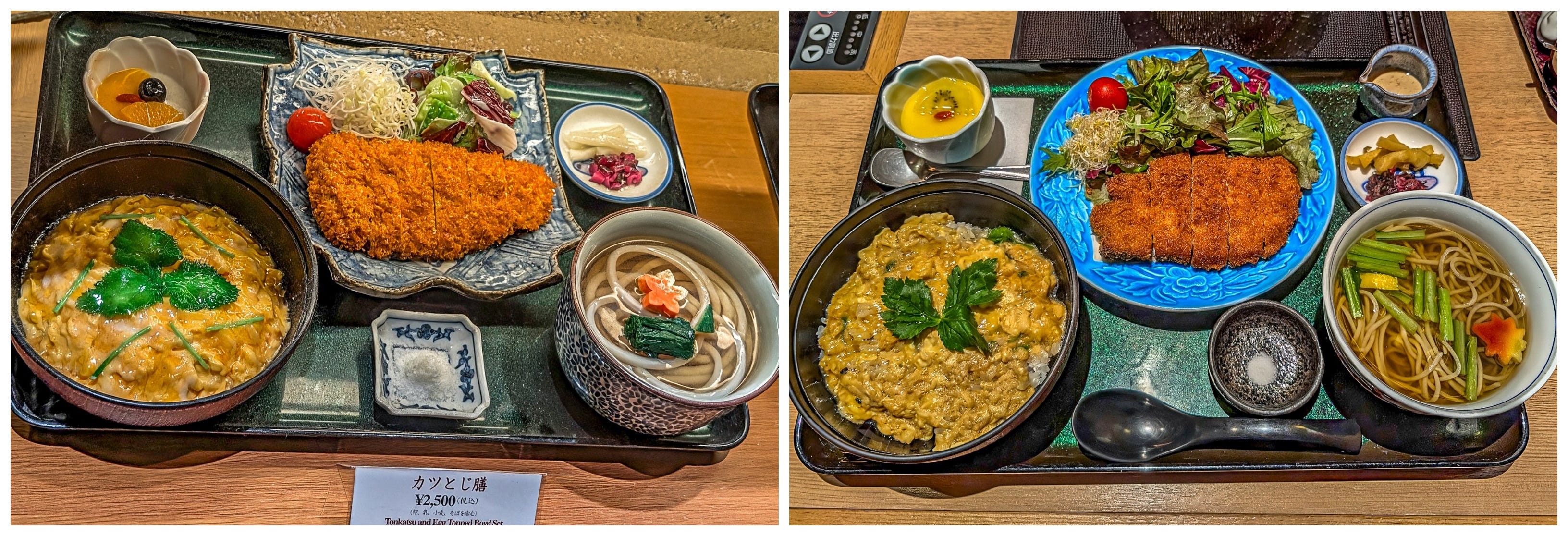
We got a set meal featuring tonkatsu — breaded pork cutlets — with egg over rice, noodle soup, salad, and dessert:
What Did We Think?
Visually, this was the best match of any restaurant we tried. The pork was delicious, and the soup and salad were quite good. But the egg and rice dish was a bit bland and needed salt.
A local bento box place
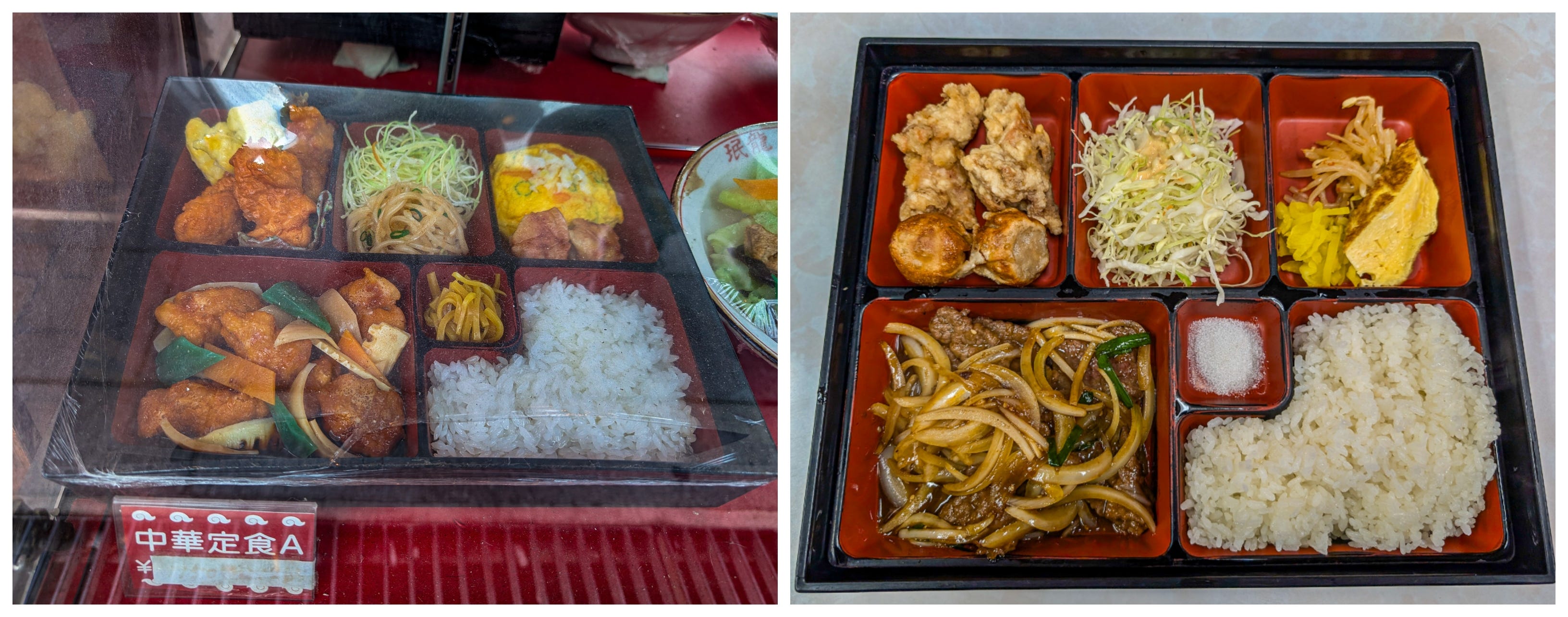
We went out for lunch at a little Italian restaurant near our apartment, but it was closed. We’d had such good luck at that omelet restaurant that we decided to try the little local bento box place next door.
What Did We Think?
The actual food looked almost nothing like the model, and the food was terrible.
A chain restaurant in a mall
So far, we’d tried everything from fast-food to mid-range, local to high-end, but we hadn’t eaten at any chain restaurants.
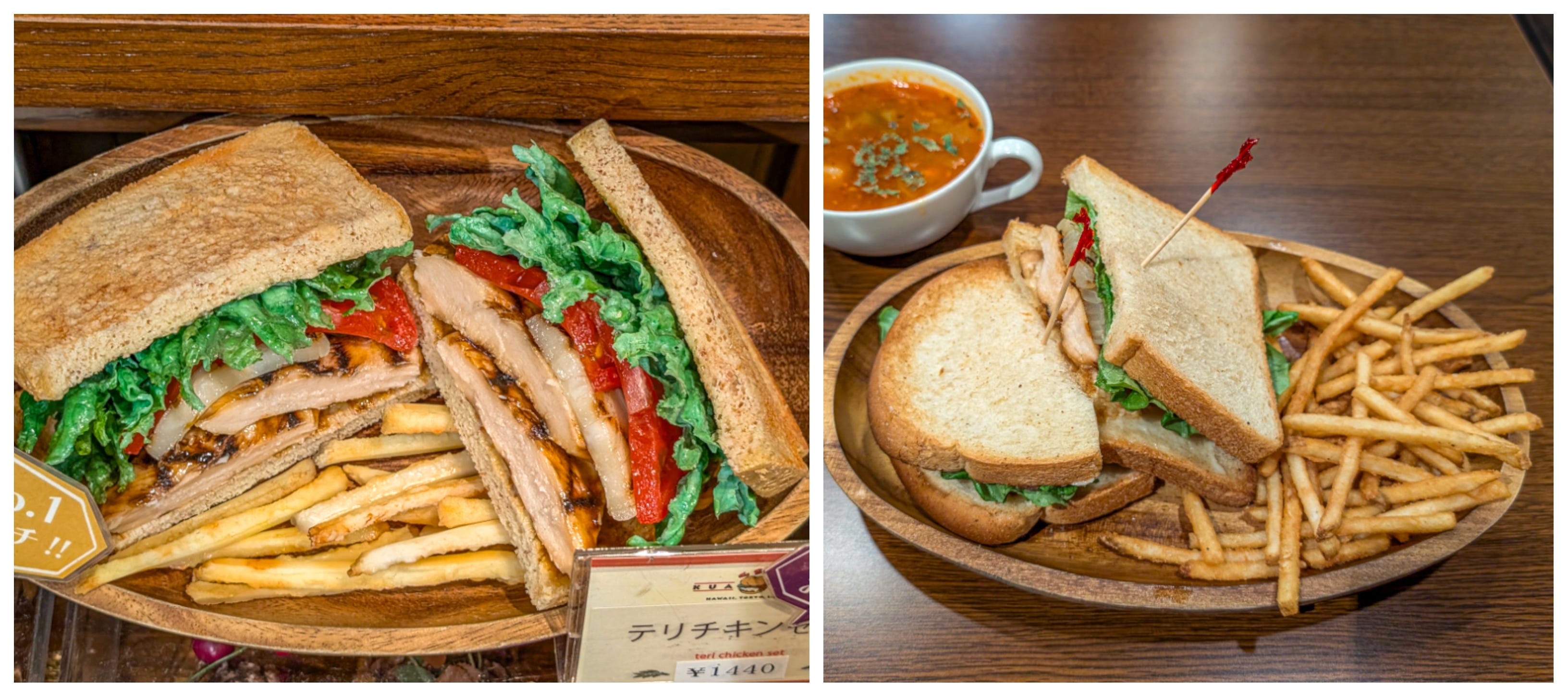
We tried a Hawaiian burger place at another mall and shared a chicken sandwich with fries:
What Did We Think?
On one hand, it tasted like a typical chicken sandwich, and at first glance, it also seemed to closely match the model.
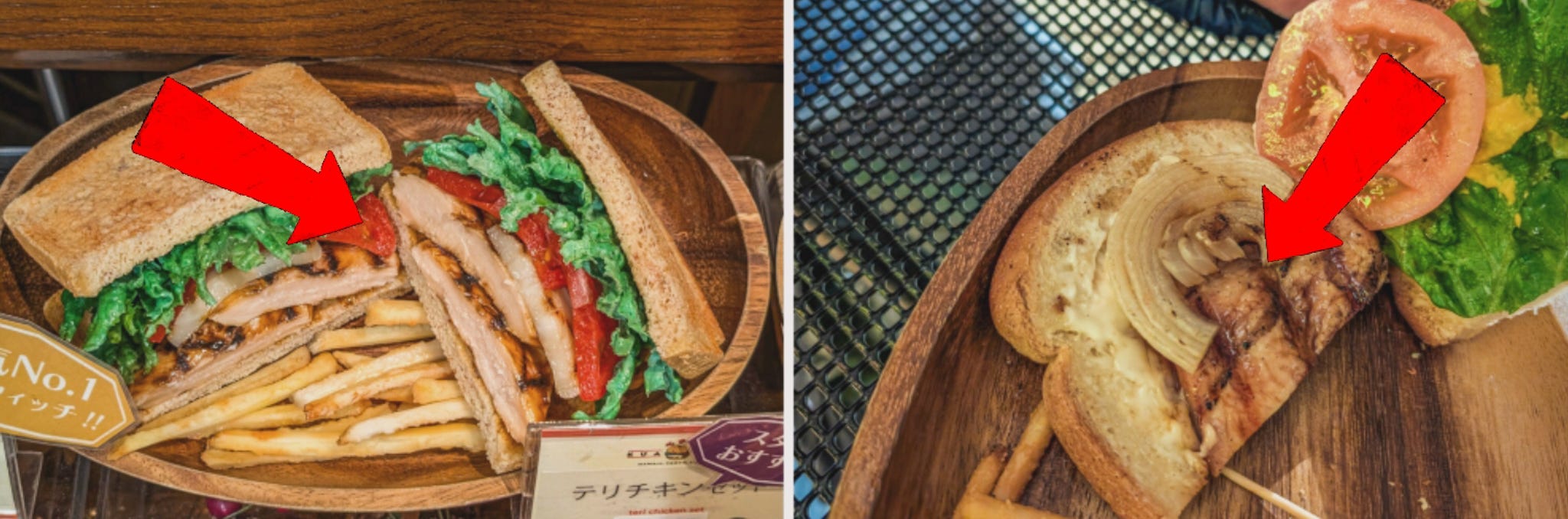
But as we ate it, we realized it was made of one measly little chicken patty — unlike the model, which was clearly made with a stack of three patties.
Seriously??
An ice cream outlet
After one of these meals, we also stopped for dessert:
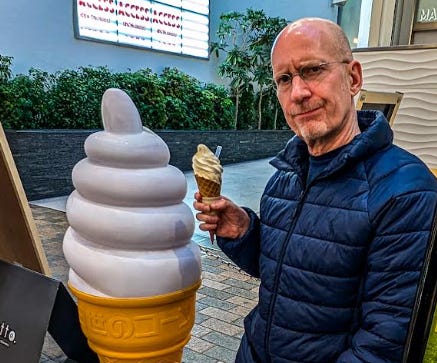
What Did We Think?
The ice cream was fine, but can you believe how much smaller the actual ice cream cone is compared to the model?! This was even more outrageous than that chicken sandwich with only one small patty!
Okay, this last entry was a joke — haha.
What does it all mean?
At the beginning of this article, we asked two questions:
How accurate are the plastic models outside of Japanese restaurants?
And do the appeal and accuracy of these models say anything about the taste and quality of the actual food we received?
The answer to the first question is: not very accurate! More often than not, the actual food looked nothing like the models outside. Most restaurants don’t do a good job of matching their food to their models.
And the answer to the second question is: OMG, absolutely not! Sometimes the models accurately reflected the look of the food we received, but that didn’t mean the food was any good. And sometimes the models were nothing like the food, and it still tasted good or even great.
As a general rule, the models looked better than the food.
Which may say something about Osaka itself: it’s known for both its food and its campy, larger-than-life atmosphere, but it may do a better job at the latter than it does at the former.
Then again, the best meals we had in Osaka were at restaurants that didn’t have any models at all. But maybe that should be the subject of another article.
Michael Jensen is a novelist and editor. For a newsletter with more of my photos, visit me at www.MichaelJensen.com.
Brent Hartinger is a screenwriter and author. Check out my new newsletter about my books and movies at www.BrentHartinger.com. And order my latest book, below.

The Japanese excel as specialists, not generalists. If you want good food in Japan, first decide what type of food you want to eat- sushi, ramen, yakisoba, yakitori etc and then find that type of restaurant. A restaurant that serves all of the above isn't likely to excel at any of it! It's been 30 years since I've lived in Japan and my local noodle shop and the yakatori place under the tracks are still vivid pleasant memories!
I always wondered if someone mistakenly ever tried to bite into one of those plastic dishes ... and if the plastic tasted better than the actual thing.