
Budapest Was Always Worth Visiting. But with the Fall of Hungary's Viktor Orbán, It's a Great Time to Go.
The city is fantastic — and extremely affordable.


Last week, in a massive strike for liberal democracy, Hungary’s authoritarian dictator Viktor Orbán lost his election in a landslide.
All the news coverage reminded me of Brent’s and my 2021 trip to Hungary, especially our visit to Budapest, the country’s historic capital.
But I confess, Brent was the one who really wanted to go there — in large part because he loves hot springs, and he’d heard of the city’s famous thermal baths.
Me? I wasn’t really feeling it.

Budapest was originally three cities: “Buda” and “Óbuda” on one side of the Danube River, and “Pest” on the other. The cities were all unified in 1873, but the areas of Buda and Pest are still referred to by their original names.
Interestingly, the islands in the Danube River weren’t — and still aren’t — part of either Buda or Pest (although they are now considered part of Budapest).
Budapest has long been — and still is — one of Europe’s most affordable cities, 40-50% cheaper than most of the continent’s other capitals.
It also turned out to be extraordinarily beautiful and interesting.
Here’s exactly how the city won me over.
Those famous thermal baths
Brent wanted to come to Budapest to see the famous thermal baths, and over the course of our week-long visit, we visited three of them.
First up was Rudas Baths, which dates back to the 16th century, when the city was under Ottoman rule.
The centerpiece is a Turkish bath chamber with a central octagonal pool and a domed ceiling. Steam rises up from the pool into the shafts of light from the colored windows above.
We also visited the city’s largest and most famous baths: Széchenyi Baths. The massive complex includes both indoor and outdoor pools, everything built in the early 20th century with a grand neo-Baroque look.
But remember to bring your own towel and sandals, because the ones for sale at the entrance are outrageously priced.
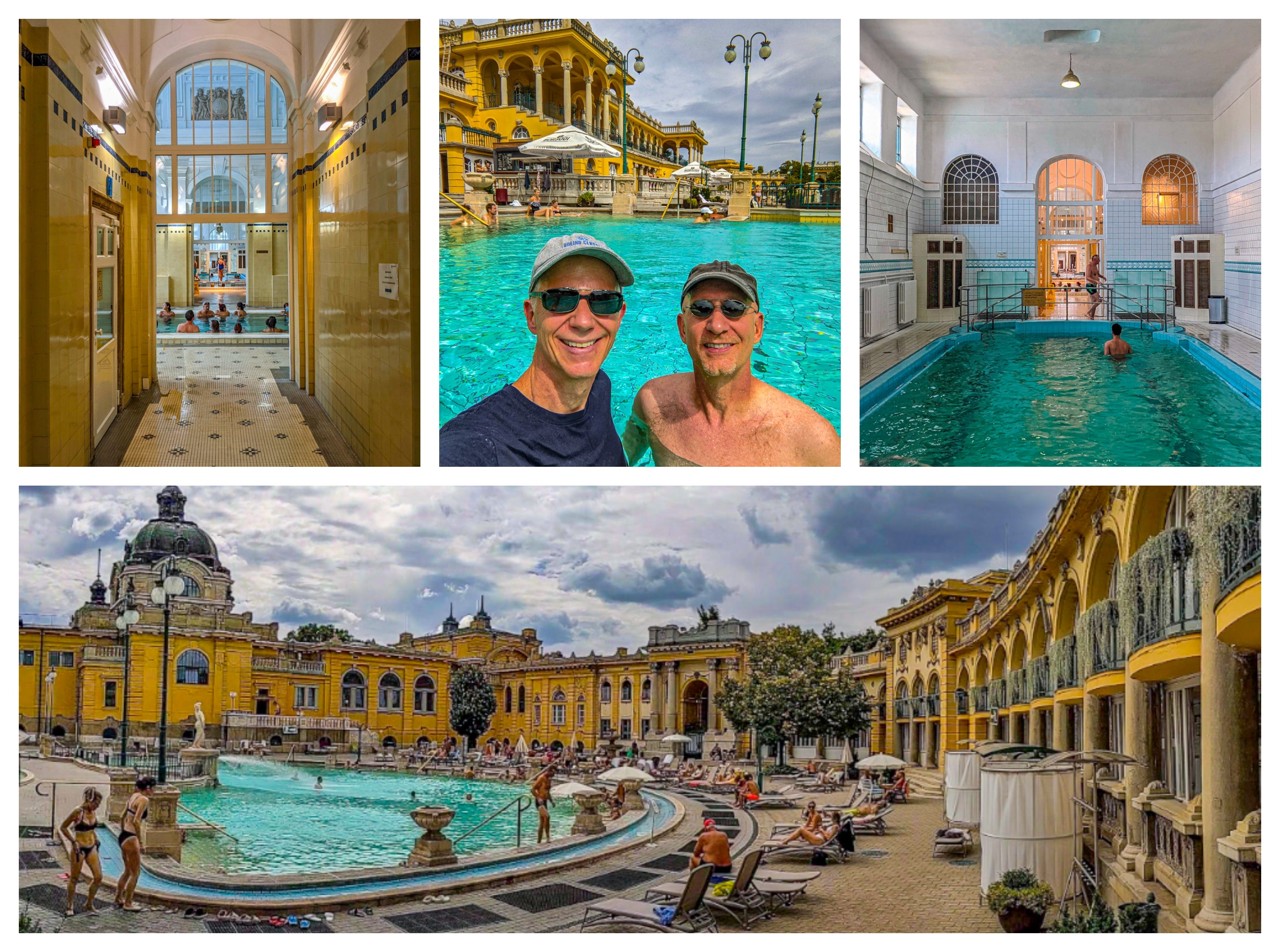
Finally, we visited Lukács Baths, which was free with Budapest’s “City Pass” ticket. But there’s a reason why it’s free: it was far and away the least interesting.
That fabulous parliament building
Much of the coverage of last week’s Hungarian election showed shots of the country’s fantastic Parliament Building right on the banks of the Danube River.
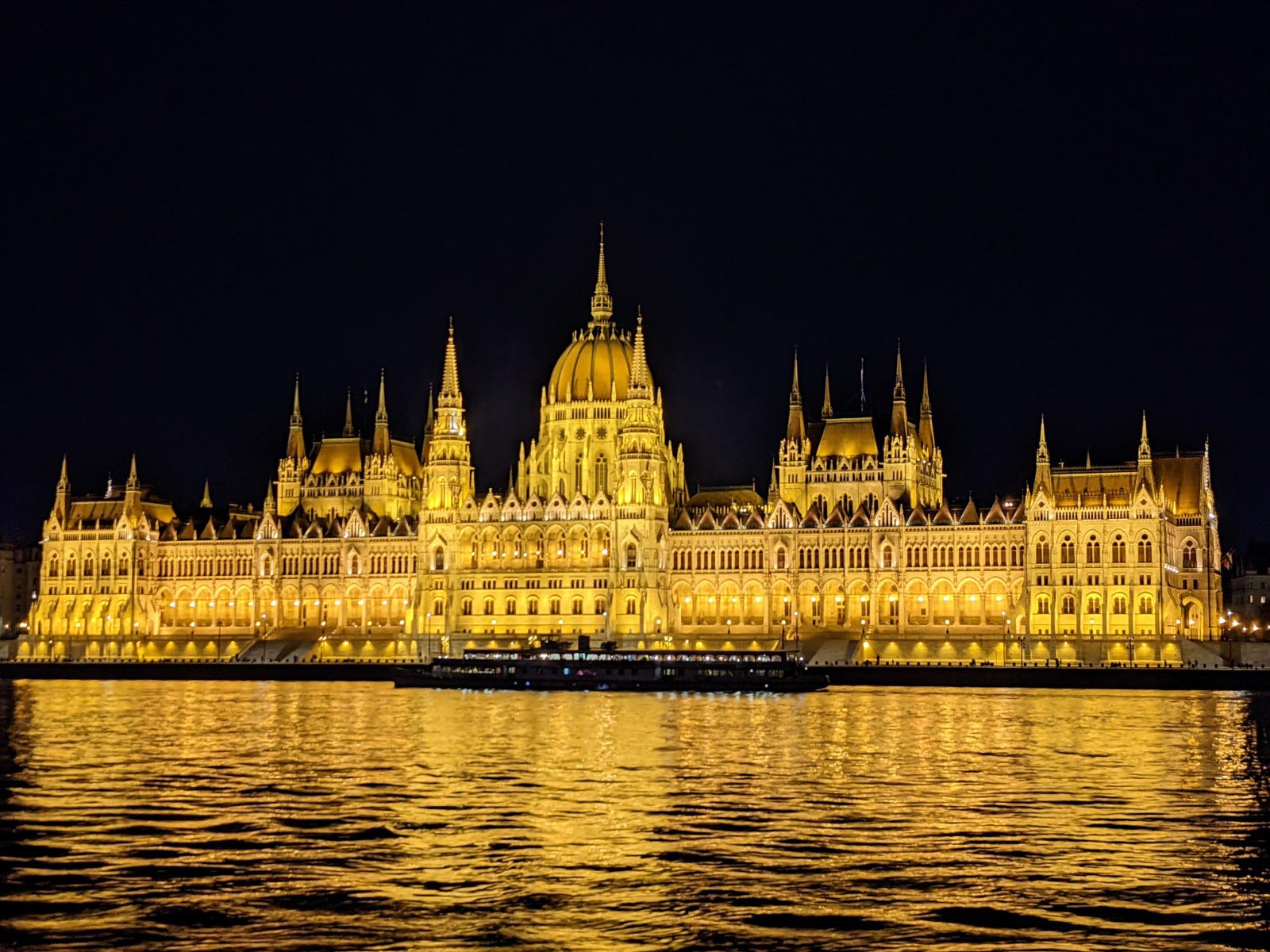
The building includes 691 rooms and 10 courtyards, and its façade famously features hundreds of sculptures.
But just as famously, the original architect used exterior tiles made from a very soft limestone, which began to crumble almost immediately, and the country has been forced to restore and replace them ever since.
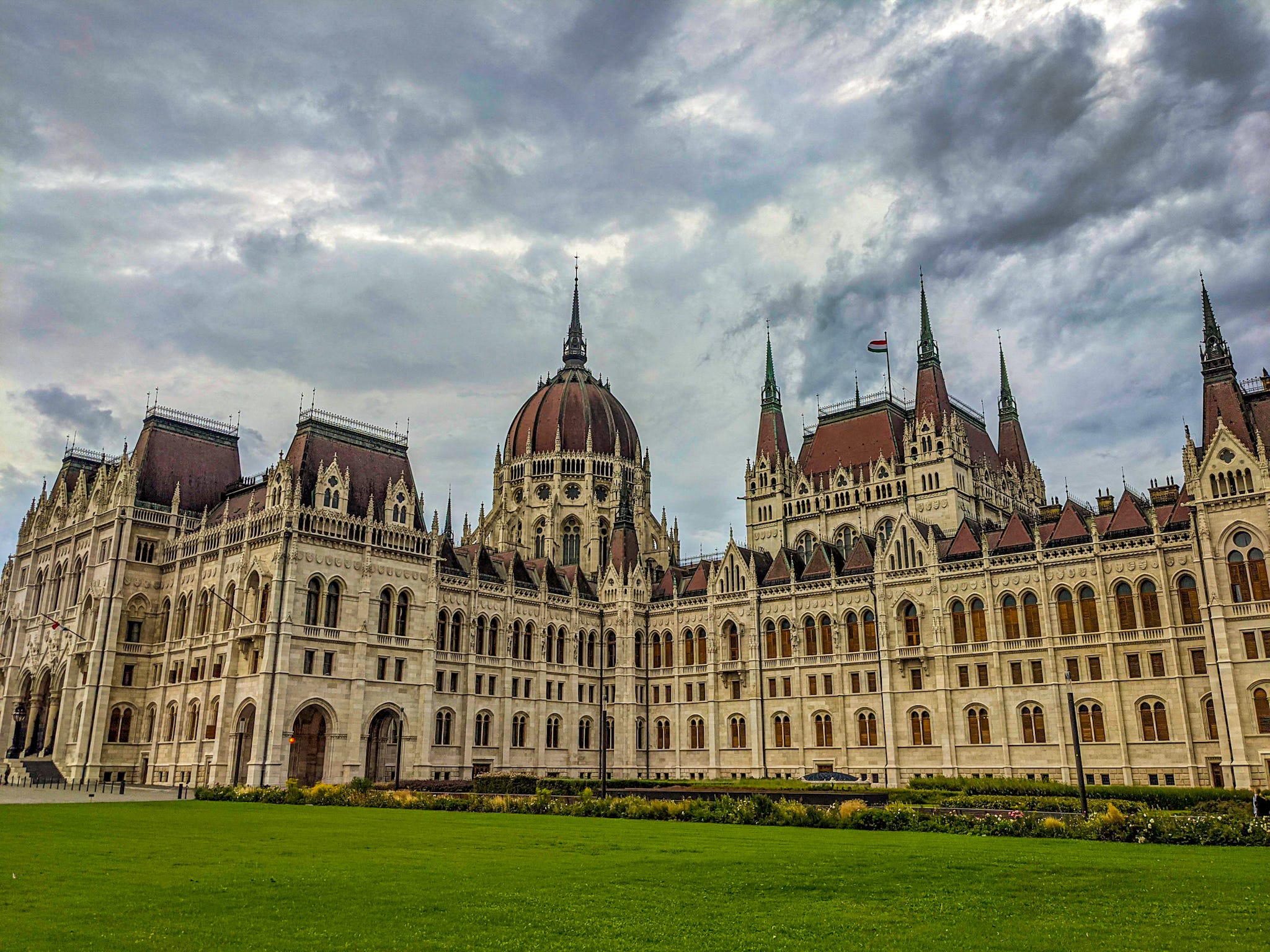
Orbán’s government had greatly reduced the number of visitors allowed inside the building, so we never did get to see the interior. But with a new government in place, that could soon change.
A system of adorable subways and trams
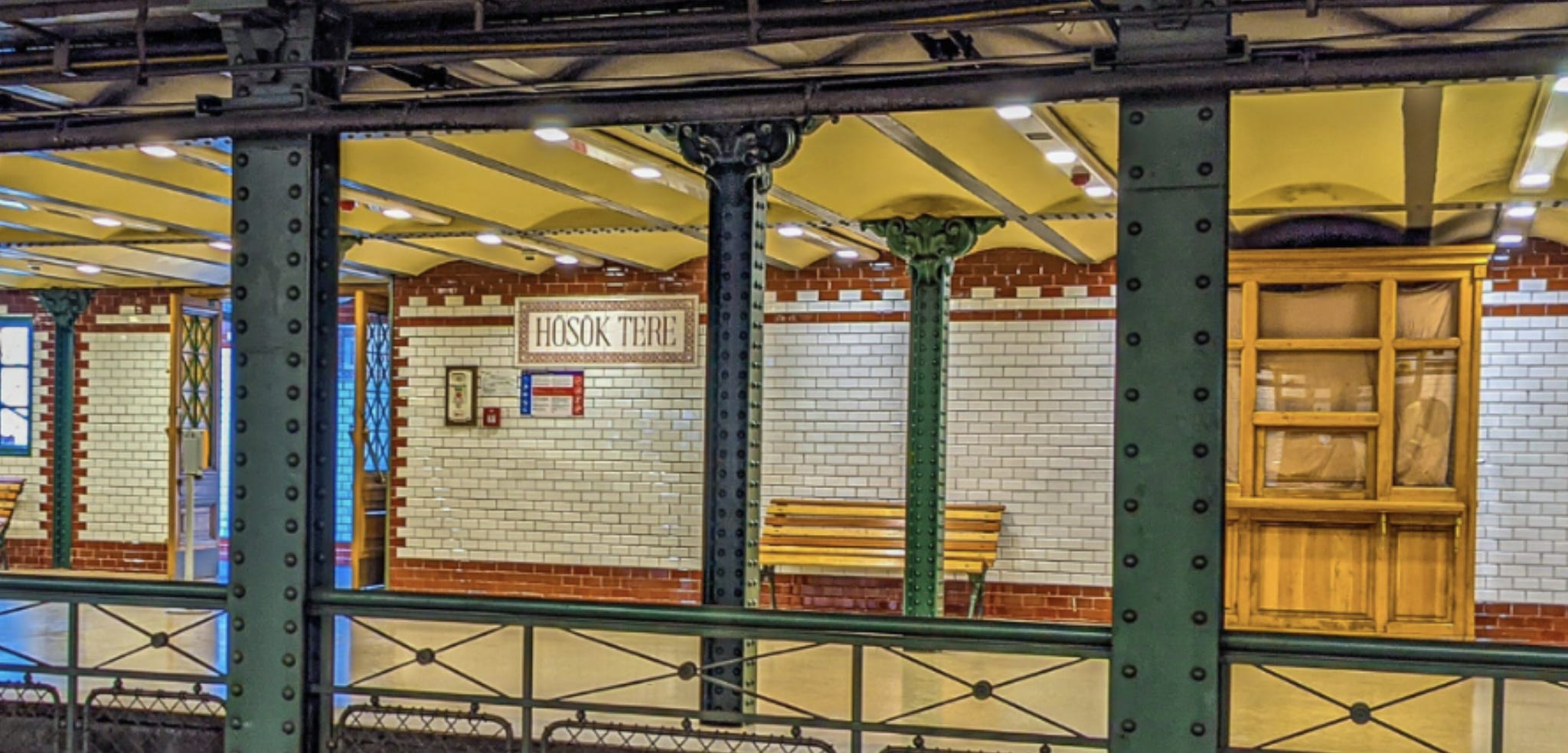
I’m a public transportation junkie, so I was surprised that I’d never heard of Budapest’s incredible system of public transportation. There are subways — including the M1, Europe’s oldest continental subway line, which looks like something out of a Wes Anderson movie.
And there are also cute little trams all over the city, including Tram Line 2, which is often deemed Europe’s most scenic urban journey. The famous yellow trams trundle along the Pest-side Danube embankment past many of Budapest’s most famous attractions, including the Parliament Building.

